


What do you really need for a cycle commute? A realistic guide to cycle commute essentials for beginners, featuring the 3 you actually need without overspending or overcomplicating your cycle commute setup.
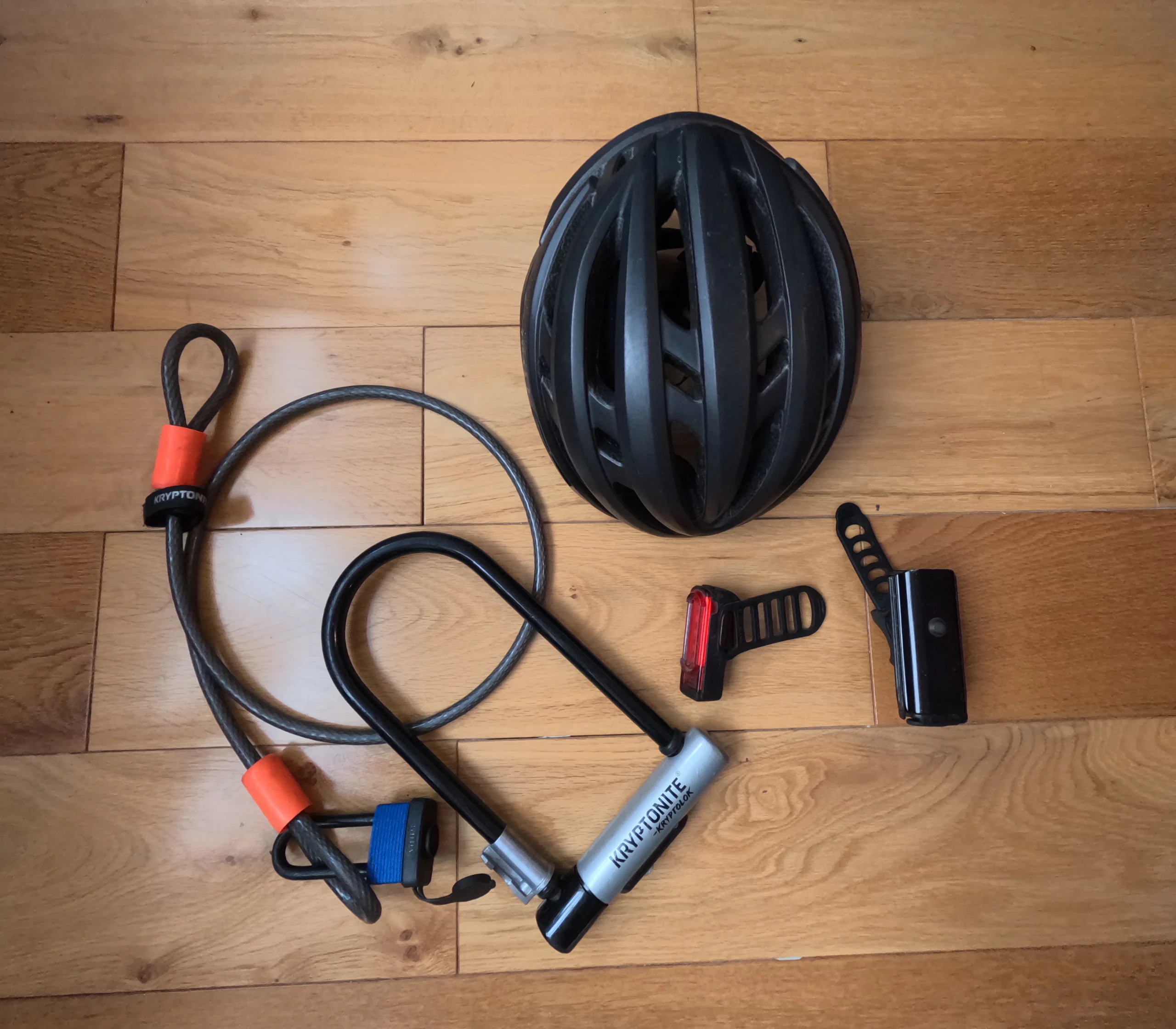
Table of Contents
What You Actually Need for a Cycle Commute (And What You Don’t)
One of the first things people search when thinking about cycling to work for beginners is, “what do I need to cycle commute?”
Understanding cycle commute essentials is vital for newcomers.
It’s a good question. You’re potentially making a big change to your routine, and you want to make sure you’re safe and prepared. The problem is that once you start looking into cycle commuting gear, it quickly feels like you need far more than you actually do.
You’ll see endless lists of commuter bike essentials. Ranging from Waterproof layers to specialist bags. High-powered lights, GPS units and performance clothing. Before long, the costs are adding up in your head and you’re wondering if this is really for you or your walllet after all.
The truth is much simpler. A beginner cycle commute does not require a plan A, a plan B, and a plan C in case neither of those work. You just need a few essential bits of kit to get started.
The True Cycle Commute Essentials
At its most basic, your cycle commute essentials list is short.
You need:
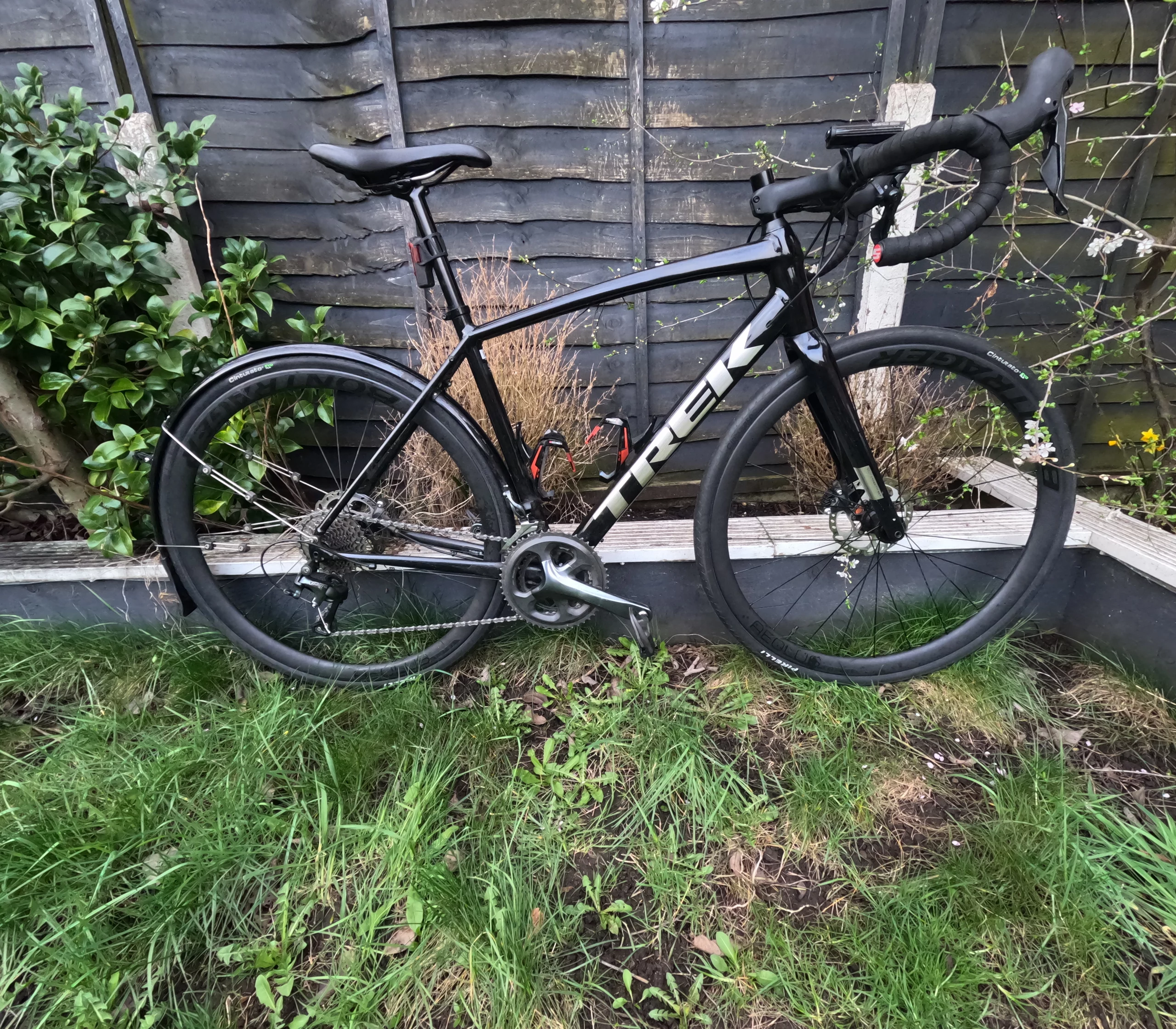
- A bike that works
- Lights
- A secure lock
That is more than enough to get started.
Your bike does not need to be new or lightweight. It doesn’t need to look impressive. It simply needs to be safe, reasonably comfortable, and reliable enough to get you to work and back.
Plenty of people start cycle commuting on older bikes that have been sitting in garages for years. As long as the brakes work properly, the tyres are in good condition, and the gears function well enough to handle your route, you’re ready. If you’re not sure, take it to your local bike shop for a safety check.
Lights are essential and a legal requirement in the UK. Even if you plan to ride in daylight, it’s advisable to use what are known as daytime running lights. A basic rechargeable front and rear light is more than enough for most commuting situations, especially if you’re staying on well-lit streets.
You’ll also need a lock. I speak from experience when I say there is nothing more disheartening than finishing a long day, only to find someone has taken your wheels and now you’re walking home.
These cycle commute essentials can help you adapt your ride effectively. Incorporating essential items into your cycle commute essentials is key to comfort. There are a few other handy tips in our How to Have Fun Cycle Commuting for Beginners guide.
The Things That Feel Essential (But Aren’t)
For a successful journey, your cycle commute essentials should be packed correctly. It’s best to pack light and get caught out a few times, you are learning after all.
There has always been debate about bicycle helmets and whether they actually make cycling safer. This comes down to statistics of cycling incidents, but we won’t go into that today. It’s best to think of it simply as one article I read put it: if you were going to be thrown out of a car at 20mph and someone offered you a helmet on the way out, would you take it?
Most people would say yes. So for many riders, adding a helmet makes sense.
Once you move beyond that, we start entering the realm of the more serious cyclist. Gloves, padded shorts, specialist waterproof jackets, cycling-specific backpacks, clip-in shoes. Many are helpful but importantly, none are required for your first ride.
One of the most common beginner cycle commute mistakes is buying everything upfront. It feels like you are taking the bull by the horns. But it can also make the whole thing far more expensive and daunting than it needs to be.
As you ride more, you’ll naturally realise what you need and what you don’t. That way, you only buy the things that are genuinely useful for you.
You don’t need to look like a cyclist to ride to work.
The smarter approach is to ride first, then adjust.
If your hands get cold, buy gloves.
If you arrive soaked, look into waterproofs.
If your backpack hurts your shoulders, consider a rack and pannier.
Let real problems guide purchases.
Clothing and the Reality of Arriving at Work
A lot of people assume cycling to work means needing a full change of clothes and shower facilities. But in reality, it depends entirely on your pace and distance.
If you ride at a steady, sustainable pace, you may not need specialist clothing at all. Many commuters wear normal clothes and adjust slightly depending on the weather.
Slow cycling plays a big role here. When you’re not treating every ride as a workout, you’re less likely to arrive drenched in sweat. Riding at a sensible pace makes your cycle commute much easier to manage and justify. A shower and change at the other end can quickly take your cycle commute into a time-consuming option.
If you’re worried about working up a sweat, bring a change of clothes and perhaps some body wipes. For many beginners, simply bringing a spare shirt is enough.
Carrying What You Need
Image: A commuter bike with a rear rack and single pannier outside an office building.
At some point, you’ll need to carry something. Laptop, lunch, spare layer, maybe shoes. Everyone has a preference. I’m team backpack, but some people find this uncomfortable in the long term and choose to install a pannier rack and bag instead.
There is no universal perfect setup. There is only what works for your route, your routine, and your body.
Weather Considerations
Living in the UK means that the weather is inevitably a consideration on the majortiy of the year when commuting. Apart from a few nice months in the year you are likely to get rained on…..alot.
A lightweight waterproof jacket is usually enough for most showers, but in the winter months when there is a chill it can be a different situation. It’s important to invest in a good windproof jacket if you plan on cycling all year round.
It’s important to check the weather the night before and have a few options. The weather can be very different on the commute home than it was on the way in.
Final Thoughts
If you’ve found yourself here, you’re already doing well. You’ve thought about cycling in, and you’ve started considering what you might actually need. The human mind has a tendency to overthink and jump straight to worst-case scenarios, so the essentials are probably far less than you imagine.
A working bike, lights, and a lock are enough to begin. Everything else can come later, once you understand your own needs. The goal isn’t to build the perfect setup. It’s to make your cycle commute sustainable and enjoyable.
And simple usually wins.
If this article was helpful, I’ve made an E-Book to help you in your first few weeks of cycle commuting. Just click the link below.
Any questions, get in touch using the contact page.
– Dan