


If you’re reading this, either you’ve already had a think about how you’re going to approach cycle commuting, or you’re here because you’ve made a few beginner mistakes already and want to work out what went wrong. Either way, that’s fine. Most people don’t realise how much there is to learn until they actually start riding to work.
Below are five mistakes I see a lot of new cycle commuters make in their first month. I’ve made most of them myself at one point or another, so this isn’t about doing things “right”, it’s about making your cycle commute easier to live with.

Table of Contents
Trying to Do Too Much, Too Soon
This is probably the most common beginer mistake of all. You start full of enthusiasm, decide you’re going to cycle every day, and forget that the ride to work isn’t the only thing you need to get through. There’s still that nine-hour workday in the middle, and it turns out that takes some energy too.
Cycling to and from work adds extra effort into your day, even if it doesn’t feel particularly hard while you’re doing it. After a week or two, you might notice you’re more tired in the evenings, or that you’re struggling to focus in meetings. That doesn’t mean cycle commuting isn’t for you. It just means you’ve probably gone a bit too hard, too soon.
Starting small makes a big difference. One or two days a week gives your body time to adapt without wiping you out. You can always add more days later once it starts to feel normal.
Taking the Fastest Route Instead of the Calmest One
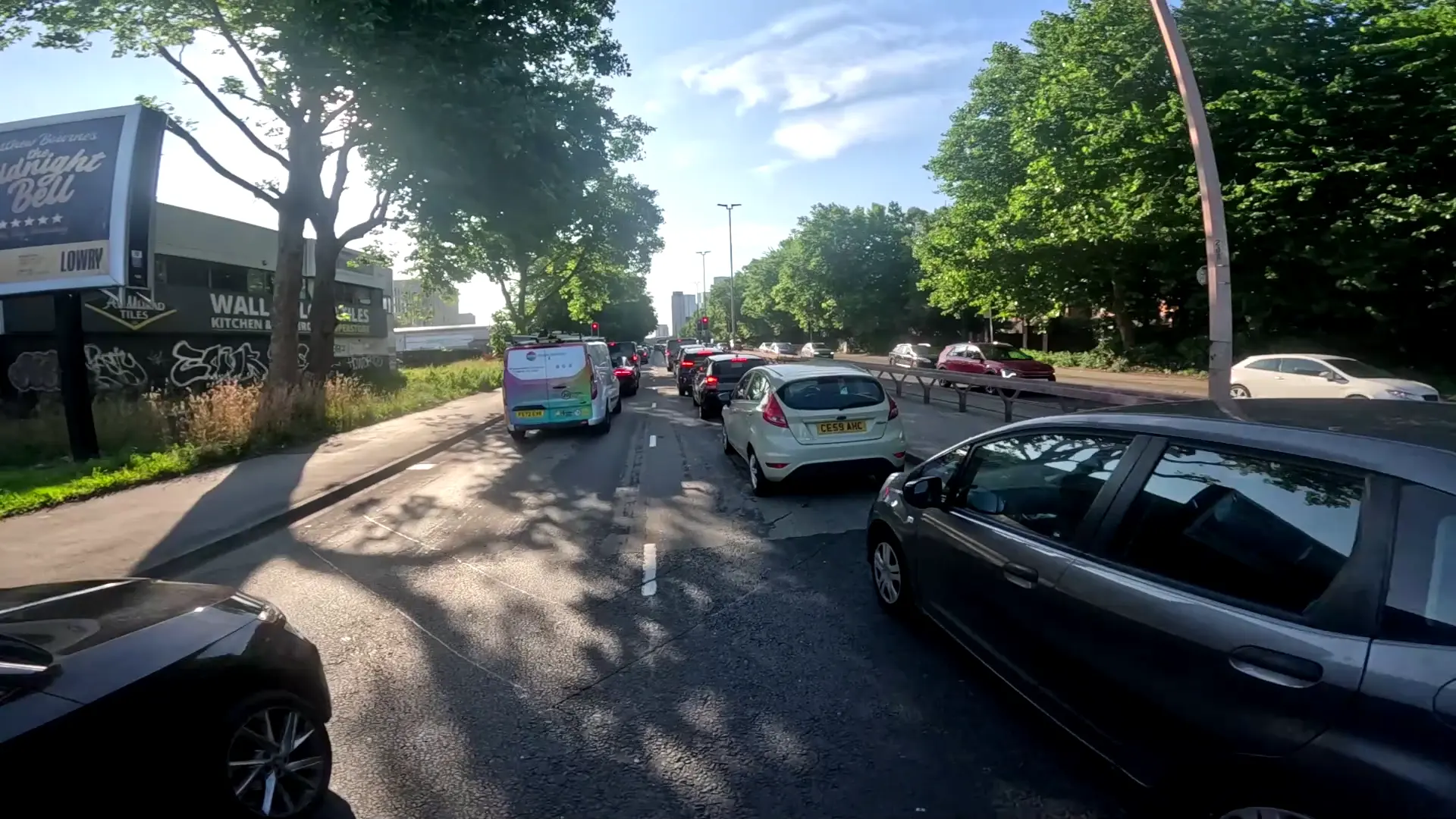
A week into your new routine and suddenly you find yourself on a busy road, with cars flying past you, wondering how this seemed like a good idea. This is exactly where confidence can take a hit.
One ride like that can put people off for weeks. Early on, how safe and relaxed you feel matters far more than how fast you get to work. Planning your route ahead of time helps a lot. Leaving a bit earlier and sticking to quieter roads can completely change how a cycle commute feels.
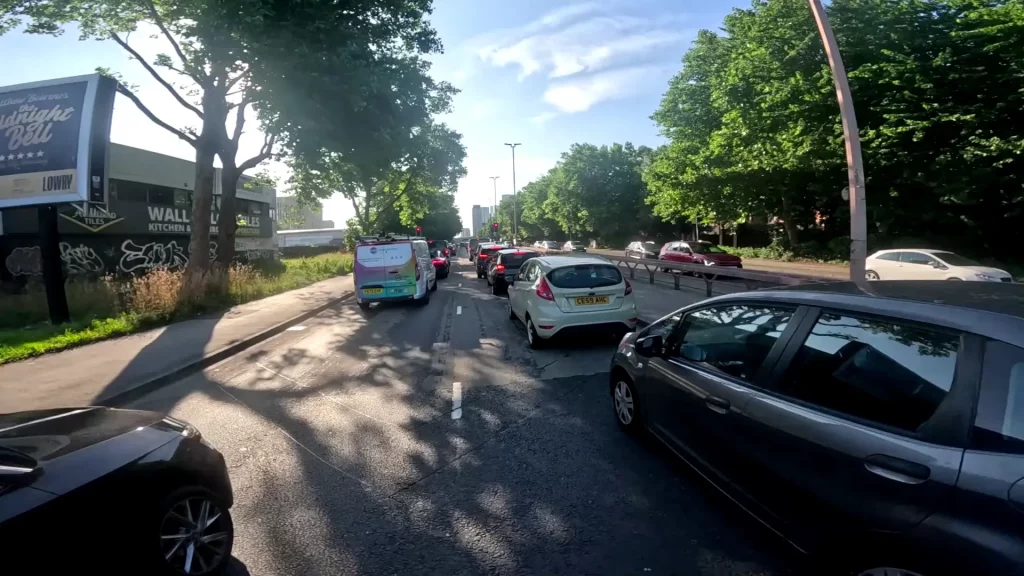
If you’re comfortable riding with traffic, main roads can actually work quite well during busy commuting hours. They’re often clogged with cars, which makes filtering fairly calm. But that’s a choice you make when you’re ready, not something you force yourself into on day one.
CyclingUk has a great route planner you can use to find an ideal route local to you for your cycle commute. Just follow this link to access.
Overthinking Gear (or Buying Too Much Too Early)
Cycling can be an extremely expensive hobby. There’s always something else you could buy that promises to make things better. The problem is that early on, you don’t yet know what you actually need.
It’s a classic beginer mistake to buy a new bike, full cycling kit, and clip in shoes before you’ve even worked out whether you enjoy the cycle commute. A few weeks later, that enthusiasm can fade, and you’re left wondering why you spent so much money so quickly.
Using what you already have is usually the best place to start. Ride a bit, notice what annoys you, and fix problems one at a time. You’ll end up with gear that actually suits you, rather than stuff you thought you needed at the start.
Forgetting to Sleep and Eat Properly
This one catches a lot of people out. Cycling at a steady pace might not feel exhausting in the moment, but it does use energy, and that adds up over the week.
If you’re suddenly starving by early afternoon and living off vending machine snacks, it’s probably not because you’re working so much harder. It’s more likely because your body is crying out for more fuel. Planning ahead with simple snacks like fruit or nuts can make a big difference to how you feel during the day.
Sleep matters too. You might find yourself feeling more tired in the evenings, and that’s not a bad thing. Listening to your body and getting an early night now and then helps keep everything ticking along. If you want to enjoy your cycle commute and still function at work, rest needs to be part of the plan.

Forgetting About the Weather
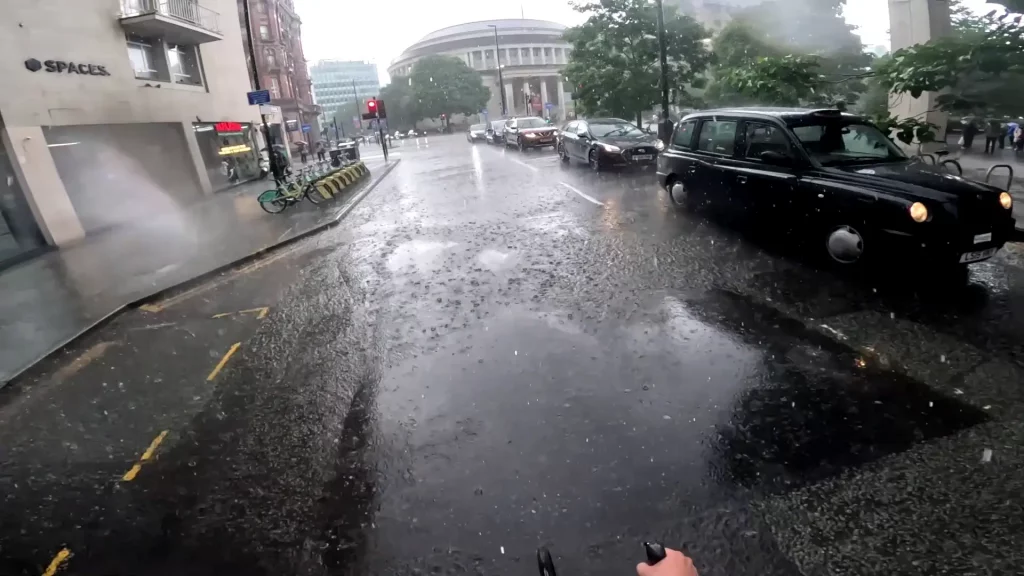
People usually think this is all about rain, but it’s just as easy to get caught out when it’s warm too. Turning up at work overheated and uncomfortable can be just as unpleasant as getting soaked.
Checking the forecast the night before takes very little effort and makes it much easier to dress appropriately. A lightweight waterproof is handy even if rain isn’t guaranteed, and on warmer days, wearing something more relaxed and changing at work can save a lot of discomfort. For example, some shorts in the way in, with your work pants stashed in your bag can make all the difference.
The weather doesn’t need to stop you cycling, but ignoring it can make a ride far less enjoyable than it needs to be.
Final Thoughts
Most beginner mistakes come down to rushing or not thinking things through, rather than doing anything wrong. A bit of preparation goes a long way and removes a lot of the friction that can make cycling to work feel hard and unenjoyable.
A cycle commute is functional and practical, not designed to set the world alight. It just needs to fit into your day without taking too much out of you. Small, comfortable steps are far more effective than going all in and burning out.
If this article was helpful, I’ve made an E-Book to help you in your first few weeks of cycle commuting. Just click the link below.
Any questions, get in touch using the contact page.
– Dan