

Intro
Learning to ride a bike as an adult can feel daunting, but it’s never too late to start. Whether you’ve never ridden before or you’re getting back on a bike after years away, this guide will take you through the bike basics step by step and help you begin cycling with confidence.
📋 Article Summary
🛣️ Topic: Beginner Cycling
🚴 Best For: Adults New to Cycling & Returning Cyclists
📈 Difficulty: Beginner
🎯 You’ll Learn:
- How to begin cycling with confidence
- The bike basics every beginner should know
- How to learn to ride a bike step by step
- Common mistakes new cyclists make
- How to build confidence before riding on the road
📍 Quick Answer
The best way to begin cycling is to start somewhere quiet, use a bike that fits you properly and focus on balancing before worrying about pedalling. Most adults can learn the bike basics with a little practice, and you don’t need expensive equipment or specialist clothing to get started.
Introduction
Learning to ride a bike as an adult can feel like a big challenge, especially if you’ve never had the chance to learn before. You might feel nervous, embarrassed or wonder if you’ve simply left it too late. The truth is, plenty of adults are in exactly the same position and you certainly shouldn’t let the fear of failure stop you.
The good news is that cycling is a skill almost anyone can learn, with the right approach, a bit of patience and somewhere safe to practise, you’ll be surprised how quickly things begin to click. Whether you’re hoping to ride to the shops, improve your fitness or simply enjoy getting outdoors, this guide will help.
Why It’s Never Too Late to Learn
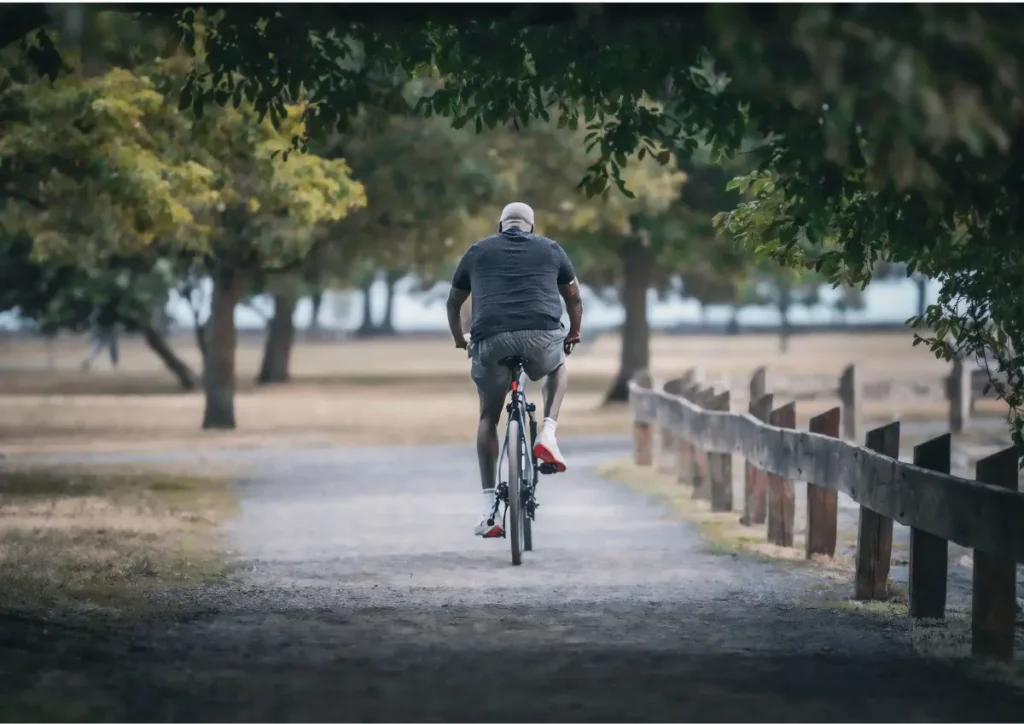
Many people assume everyone learns to ride a bike as a child, but that’s simply not true. Some people never owned a bike growing up, while others didn’t have the opportunity or confidence to learn. Whatever your reason, you’re not starting from behind.
Learning to ride a bicycle as an adult has plenty of benefits. It can improve your fitness, give you an inexpensive way to travel and open up a new hobby that you can enjoy for years. More importantly, it gives you confidence and independence.
If you’ve been asking yourself, “How do you ride a bike if you’ve never learnt?”, the answer is surprisingly simple. Like everything in life, if you break it down into small steps, practise little and often, and don’t expect perfection on day one then you will already be half way there.
💡 Slow Lane Tip: Try not to compare yourself to other cyclists. Everyone learns at a different pace, and every confident rider was a beginner once.
What You’ll Need Before You Start
One of the biggest misconceptions about cycling is that you need lots of fancy gear before you can begin. In reality, the bike basics are refreshingly simple.
For your first few practice sessions you’ll need:
- A bike that’s the right size for you.
- A properly fitted helmet.
- Comfortable clothes that allow you to move freely.
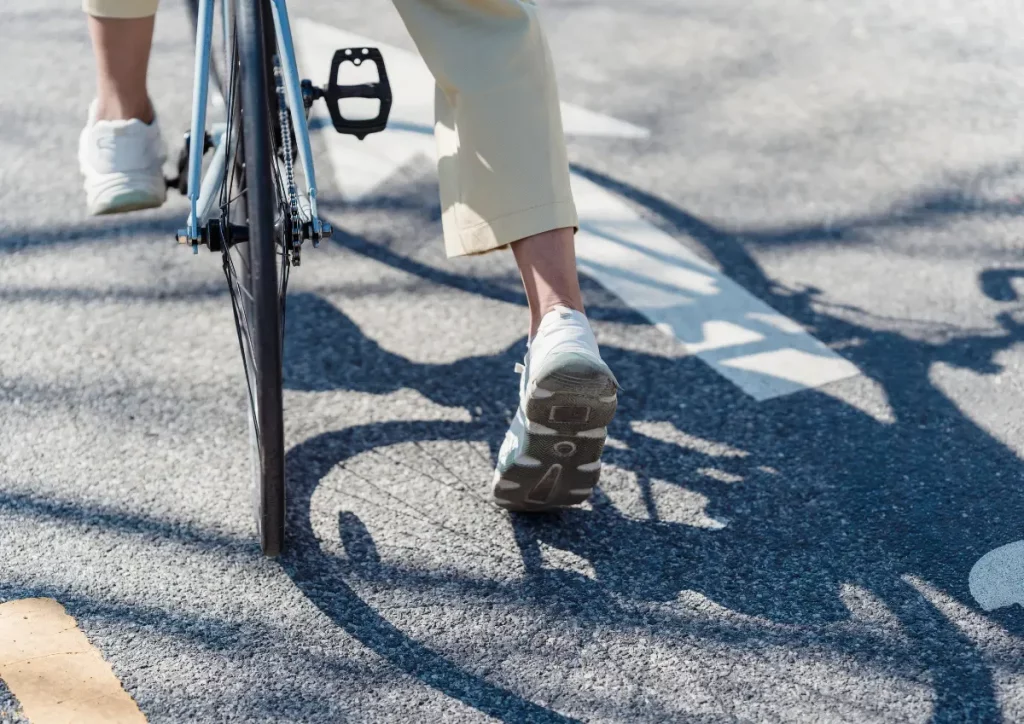
- Flat shoes with good grip.
- Somewhere quiet and away from traffic.
That’s it.
You don’t need Lycra, expensive shoes or the latest gadgets. If you enjoy cycling, you can always invest in those later.
Step 1: Learn to Balance First
When people think about learning to ride a bike, they often focus on pedalling. In reality, balance is the skill that makes everything else easier.
Start by lowering the saddle slightly so both feet can comfortably touch the ground. This isn’t an ideal final position, but is great when learning. Push yourself along gently with your feet, allowing the bike to roll naturally while you practise balancing for a few metres at a time.
Don’t worry about speed. You’re simply teaching your body how the bike moves beneath you.
Keep looking ahead rather than down at the front wheel. Your bike naturally follows where you’re looking, so lifting your eyes will often make balancing feel easier.
🚲 Your First Ride Challenge One
Today’s goal is simply to glide for 5 to 10 metres without putting your feet down. Don’t worry about pedalling yet. Once you can balance comfortably, you’re ready for the next step.
Step 2: Add Pedalling
Once you’re comfortable gliding, it’s time to introduce the pedals.
Place one pedal slightly higher than the other, push down firmly and bring your second foot onto the opposite pedal. Keep your eyes looking ahead and continue pedalling gently.
Most people find that once they’ve mastered balancing, pedalling comes surprisingly quickly. There’s no need to rush or ride fast. A relaxed pace gives you much more control and helps build confidence.
🚲 Your First Ride Challenge Two
Ride 20 metres in a straight line, then come to a smooth, controlled stop using both brakes.
Step 3: Practise Braking and Turning
Being able to stop confidently is just as important as learning to ride.
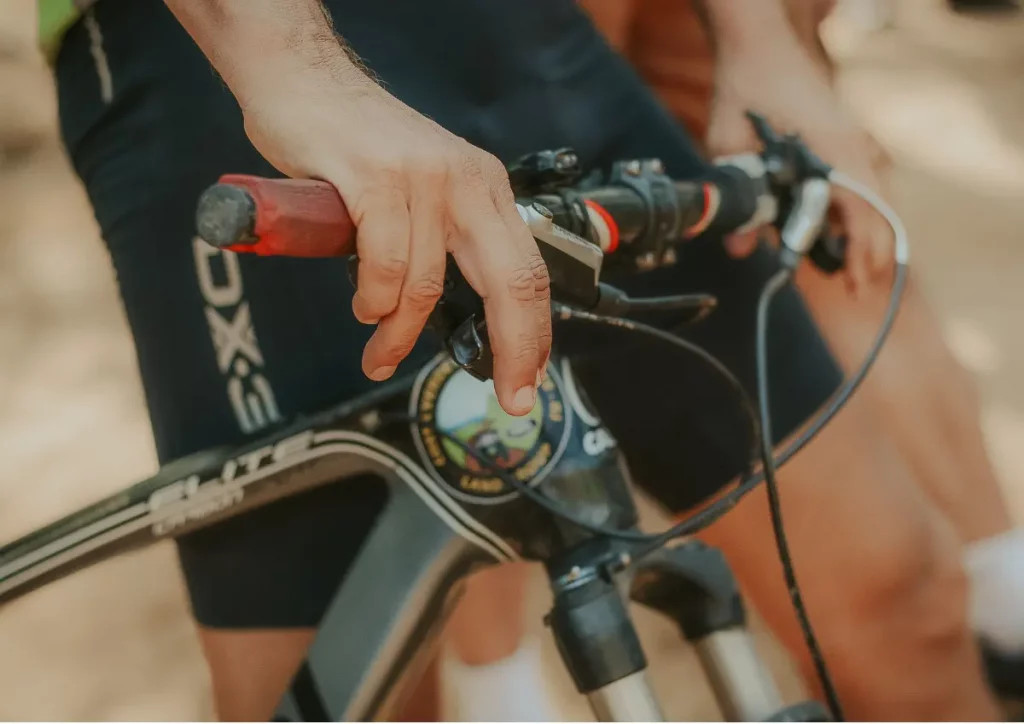
Practise squeezing both brakes gently rather than grabbing them suddenly. Once stopping feels natural, begin making large circles before gradually trying tighter turns.
Learning these bike basics in a quiet environment means they’ll become second nature before you start riding near traffic.
Step 4: Build Your Confidence
Once you can comfortably start, stop and steer, it’s time to begin linking everything together. Don’t feel like you need to head straight out onto the road. Confidence is built gradually, and there’s nothing wrong with taking your time.
Try riding around your practice area without putting your feet down. Make wide turns, practise stopping at imaginary junctions and ride in large figure-of-eight patterns. These simple exercises will help you become more comfortable controlling the bike without even thinking about it.
If something doesn’t go to plan or you take a fall, don’t get frustrated. Every little wobble or missed turn is part of the learning process. The important thing is to keep practising until riding starts to feel natural.
🚲 Your First Ride Challenge Three
Ride continuously for five minutes without putting your feet down.
- Looking ahead instead of down.
- Riding in wide circles.
- Smooth starts and controlled stops.
- Relaxing your shoulders and grip.
Once you can do this comfortably, you’re ready to venture beyond your practice area.
When Are You Ready to Ride on the Road?
This is probably the most important question most new cyclists ask, and there’s no simple answer. Go too early and it can ruin all your hard work, but place it safe for too long and you might lose interest. It isn’t about how far you can ride, it’s about how comfortable you feel controlling the bike.
Before riding on the road, you should feel confident that you can:
- Start without wobbling.
- Stop smoothly using both brakes.
- Ride in a straight line.
- Look over your shoulder without losing control.
- Steer around small obstacles.
If you’re not quite there yet, that’s perfectly normal. Spend a little longer practising somewhere quiet before adding traffic into the mix.
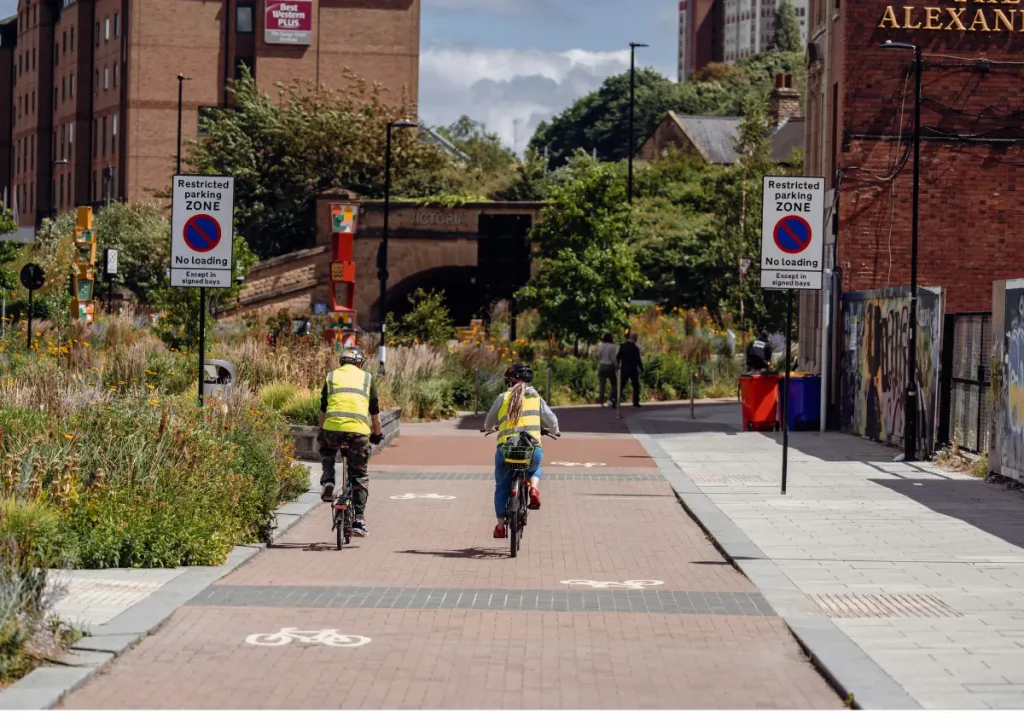
Quiet residential streets or traffic-free cycle paths are a great next step before tackling busier roads.
Common Beginner Mistakes
Everyone makes mistakes while learning to ride a bike, so don’t be put off if you recognise yourself in this list.
Looking down at the front wheel
Your bike naturally follows where you’re looking. Keeping your eyes up helps you balance and steer much more smoothly.
Holding the handlebars too tightly
It’s natural to grip the bars when you’re nervous, but this actually makes steering more difficult. Try to keep your arms and shoulders relaxed.
Trying to pedal too soon
Balance comes first. Once you’ve mastered gliding, pedalling usually feels much easier.
Practising somewhere too difficult
Busy parks, hills and rough grass all make learning harder than it needs to be. Give yourself the best chance by choosing somewhere flat and quiet.
⚠️ Common Mistake: Many beginners think they’re making slow progress because they wobble. In reality, every cyclist wobbled when they first learnt. Confidence comes from repetition, not perfection.
How Long Does It Take to Learn?
Everyone learns at a different pace so this question is personal to you.
Some people are happily riding around after an hour or two, while others prefer several shorter practice sessions over a few weeks. Neither is better than the other.
The key is to finish each session while you’re still enjoying yourself. It’s much better to practise for 20 minutes three times a week than spend two frustrating hours trying to force it.
Just remember that learning to ride isn’t a race. The more relaxed you are, the easier it becomes.
Should You Learn on Your Own?
Many adults successfully learn with the help of a friend or family member, but if you’re struggling with confidence there’s absolutely nothing wrong with booking a lesson.
Many councils and cycling organisations offer adult cycling sessions, giving you the chance to learn in a safe environment with an experienced instructor. Bikeability is a great place to start if you are looking for support.
If you do ask a friend for help, choose someone who’s patient. Learning should feel encouraging, not pressured.
What Comes Next?
Learning to ride is only the beginning. Once you’re comfortable on the bike, a whole new world opens up.
Your first rides don’t need to be long or challenging. Try cycling to your local café, visiting the park or replacing a short car journey. Every ride builds confidence and before long you’ll wonder why it ever felt difficult.
If your goal is eventually cycling to work, don’t feel like you need to do it straight away. Start with rides that you enjoy, then gradually build up as your confidence grows.
Final Thoughts
Learning to ride a bike as an adult might seem daunting, but it’s never too late to start. Every confident cyclist was a beginner once, and with a little patience you’ll be surprised how quickly your confidence grows.
Take things one step at a time, celebrate the small wins and don’t worry about getting everything right straight away. The aim isn’t to become the fastest cyclist on the road, it’s to enjoy the freedom that cycling brings.
Before you know it, those first nervous rides will feel like a distant memory.
If this article was helpful. I’ve made an E-Book to help you in your first few weeks of cycle commuting. Just click the link below.
Any questions, get in touch using the contact page.
– Dan
🚦 Where Next?
If you’ve enjoyed learning the basics, these guides will help you take the next step:
- What Is a Commuter Bike? (when published)
- How to Build Cycling Confidence
- What to Wear Cycling to Work Without Overheating
- 5 Beginner Mistakes New Cycle Commuters Make
- How to Choose Your First Bike
FAQ: Common questions about learning to ride a bike
Can you learn to ride a bike as an adult?
Absolutely. Many adults learn to ride for the first time, while others are simply relearning after years away. With a safe place to practise, a bike that fits properly and a little patience, most people can build confidence surprisingly quickly.
How long does it take to learn to ride a bike?
Everyone learns at a different pace. Some people feel confident after a couple of hours, while others prefer several shorter practice sessions over a few weeks. The key is to practise regularly and focus on small improvements rather than rushing the process.
What type of bike is best for beginners?
A hybrid bike is often the best choice because it offers a comfortable riding position, stable handling and tyres that work well on both roads and cycle paths. The most important thing is choosing a bike that’s the right size for you, as this will make learning much easier.
Do I need a helmet when learning to ride?
While wearing a helmet isn’t a legal requirement in the UK, it’s strongly recommended, especially while you’re learning. A properly fitted helmet can help protect your head if you lose your balance or fall during practice.
Where should I practise learning to ride?
Choose somewhere that’s flat, quiet and away from traffic, such as an empty car park, a park with wide paths or a traffic-free cycle route. Avoid busy roads, steep hills and rough grass until you’re confident in controlling the bike.
Is cycling difficult to learn?
Learning to ride can feel challenging at first because you’re developing new balance and coordination skills. Once balancing starts to feel natural, most people find the rest comes much more easily. The biggest obstacle is often confidence rather than ability.
Am I too old to start cycling?
You’re never too old to begin cycling. Whether you’re in your twenties, forties or beyond, cycling is a skill that can be learnt at almost any age. The key is to progress at your own pace and build confidence gradually.
Should I learn on my own or with someone else?
Many people learn successfully with the help of a patient friend or family member. If you’d prefer more structured guidance, adult cycling lessons are available in many areas and can help you build confidence more quickly.
Can I take lessons as an adult?
Of course you can, there are many providers available for adult cycle lessons. Bikeability is a great resource to find someone local to you who can help.
What should I wear when learning to ride a bike?
Wear comfortable clothing that allows you to move freely and flat shoes with good grip. There’s no need for specialist cycling clothing when you’re starting out. As you ride more often, you can decide whether cycling-specific gear is worth investing in.
What should I do after I’ve learnt the basics?
Once you’re comfortable starting, stopping and turning, begin taking short rides in quiet areas before progressing to longer routes. Setting small goals, such as cycling to the local shops or a nearby café, is a great way to build confidence and make cycling part of your routine.