


If like me, you live in one of the wettest cities in the UK, and you’re worried about cycling to work in the rain, you’re not alone. For a lot of beginners, the weather is one of the biggest things that puts them off starting a cycle commute. Riding on a dry summer evening in perfect beer garden weather feels easy to imagine, but a wet Monday morning on busy roads can feel like a completely different situation.
The reality is that cycle commuting in the rain is far more manageable than most people expect, and far more common than you’d like to think. With a bit of preparation and the right mindset, you won’t wince when you open the curtains and see the heavens have opened. You don’t need to be especially tough, and you don’t need loads of specialist gear, but you do need to approach it slightly differently to a dry ride.
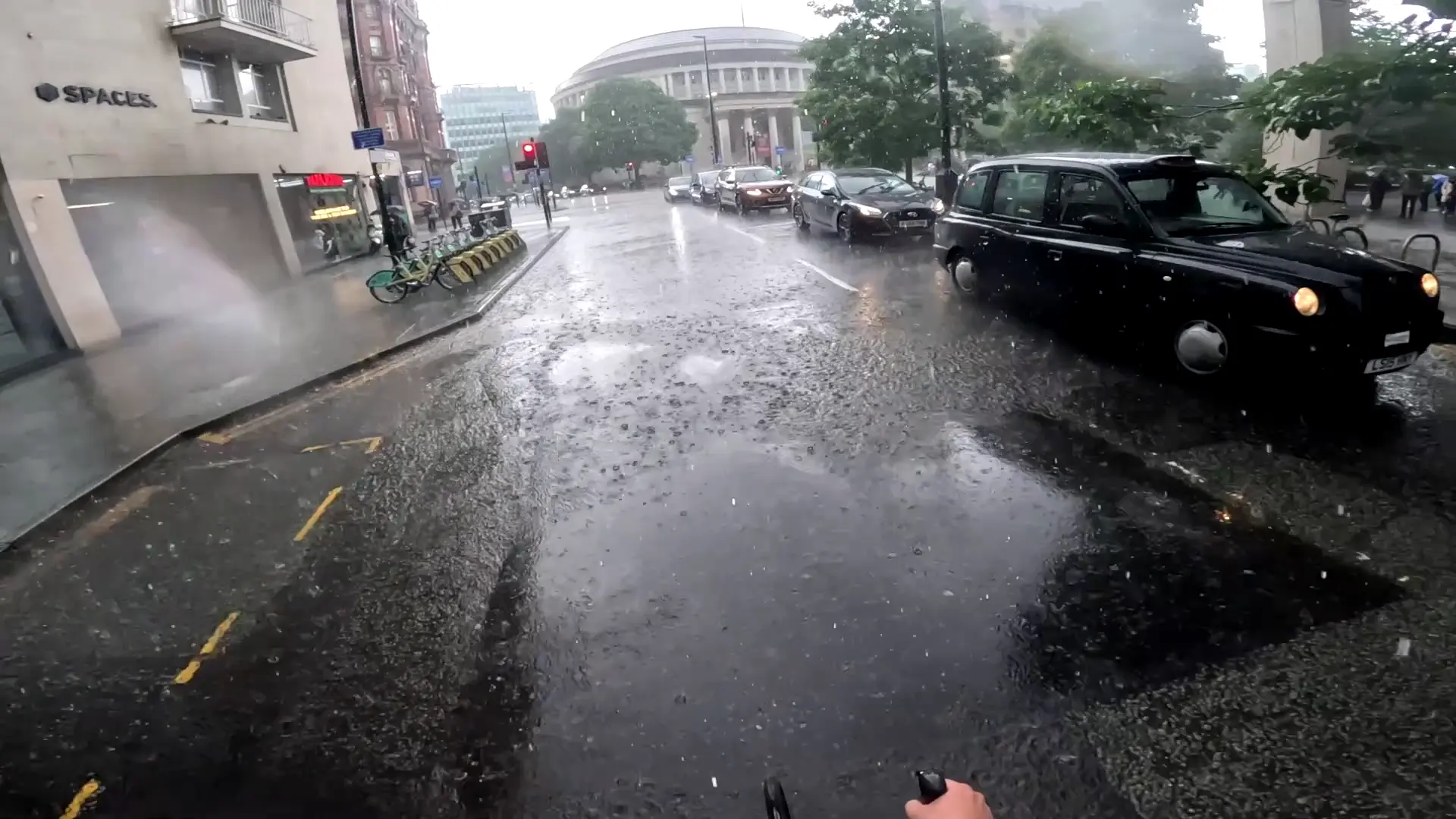
Table of Contents
Rain Feels Worse Before You Start Than When You’re Riding
It’s just a fact that rain always looks way worse through a window. Once you’re out there and in the trenches, the fear of being wet suddenly disappears. Like many things in life, the thought is often way worse than the reality. In your head, you are picturing lakes as puddles and being splashed in the face by every car on the road. Arriving at work, miserable, cold and uncomfortable, resembling your pet dog after a rainy Sunday walk. But once you’re on the bike cycling to work in the rain, it usually settles into something far more manageable and even enjoyable.
Part of this comes down to expectation. When you first start commuting, everything feels more intense because it’s unfamiliar. Just like when you first learnt to ride a bike, everything seemed difficult. The same thing happens with traffic, distance, and tiredness. Rain is just another thing to add to the list if you are lucky enough to live in the UK.
If you’re still new to commuting, it helps to remember that most beginner cycle commute worries sound bigger than they really are. The same applies to wet weather riding. Once you’ve done it a few times, it becomes normal surprisingly quickly.
You Don’t Need Perfect Weather to Keep Commuting
If you limit yourself to only riding on nice weather days, you’ve not only heavily limited your potnetial days on the bike, but also limited your expriance. A common beginner mistake is only riding when the weather looks good, but it makes it much harder to build a proper routine. If your cycle commute depends on perfect conditions, it gives you an easy excuse. When you’re just starting out, this can really kill your momentum.
This is why learning to ride in the rain early on actually makes commuting easier and more sustainable long term. It removes the feeling that cycling is something you only do when everything lines up perfectly. Instead, it becomes just another way of getting to work.
If you’ve read the article on beginner commuting mistakes, you’ll know that trying to do everything perfectly from the start usually makes things harder, not easier. The same applies here. You don’t need to enjoy cycling to work in the rain; you just need to know that it doesn’t stop you riding.
Staying Dry Matters Less Than Staying Comfortable

When people think about cycling to work in the rain, they usually worry about getting wet and muddy. That makes sense, but comfort matters much more than complete dryness. It’s rare you are going to stay bone dry on a ride, sweat or rainwater make it unlikely.
The real goal is avoiding the extremes. Being soaked through is unpleasant, but so is overheating because you’re wearing too much. A steady pace, sensible clothing, and allowing yourself a bit more time usually does more for comfort than trying to seal yourself off from the weather completely.
Slow cycling helps here as well. When you’re not rushing, you stay cooler, you make better decisions, and the ride feels far less stressful. Commuting isn’t training, and you don’t need to ride at full effort just because the conditions aren’t ideal. We did an article on slow cycling that could help you.
Visibility Becomes More Important in Wet Weather
As with anything when stepping out into the world of cycle commuting, safety is the first priority. Rain doesn’t just change the condition you are riding in, but also the condition the cars are driving in. Rather than being dry and comfortable, it’s most important to consider visibility. Roads are darker and covered in spray, windscreens are wet, brakes don’t work as well, and drivers can find it harder to judge distance. This doesn’t mean riding is unsafe, but it does mean it’s worth being a bit more aware of how visible you are.
I personally would always advise the use of lights, even in daytime situations. But when cycling to work in the rain, this becomes non-negotiable. Positioning on the road also matters. Riding predictably and clearly helps drivers understand what you’re doing, which makes the whole situation feel calmer.
The Highway Code recommends using lights in poor visibility, and it’s worth following that advice even if the conditions don’t seem that bad. Small things like this help wet-weather commuting feel much less stressful over time.
Slowing Down Makes Wet Riding Much Easier

One of the best tips for cycling to work in the rain is simply to slow down. Wet roads reduce grip slightly, braking distances can be longer, and visibility is often worse, so there’s no benefit in trying to ride at the same pace you would in perfect weather.
Slowing down doesn’t mean struggling. One big crash in the rain could really set you back and give your confidence a huge hit. Slowing down makes the whole commute feel more controlled. You have more time to react, junctions feel less rushed, and the ride becomes far more predictable.
This is where slow cycling really fits well with cycling to work in the rain. When the goal is getting to work safely and comfortably, not setting a personal best, riding at a steady pace makes everything easier to manage. Over time, confidence builds and assessing conditions becomes second nature, like in a car. To start with, this approach makes it much easier to cycle consistently, even when the weather isn’t ideal.
Planning Ahead Helps More Than You Think
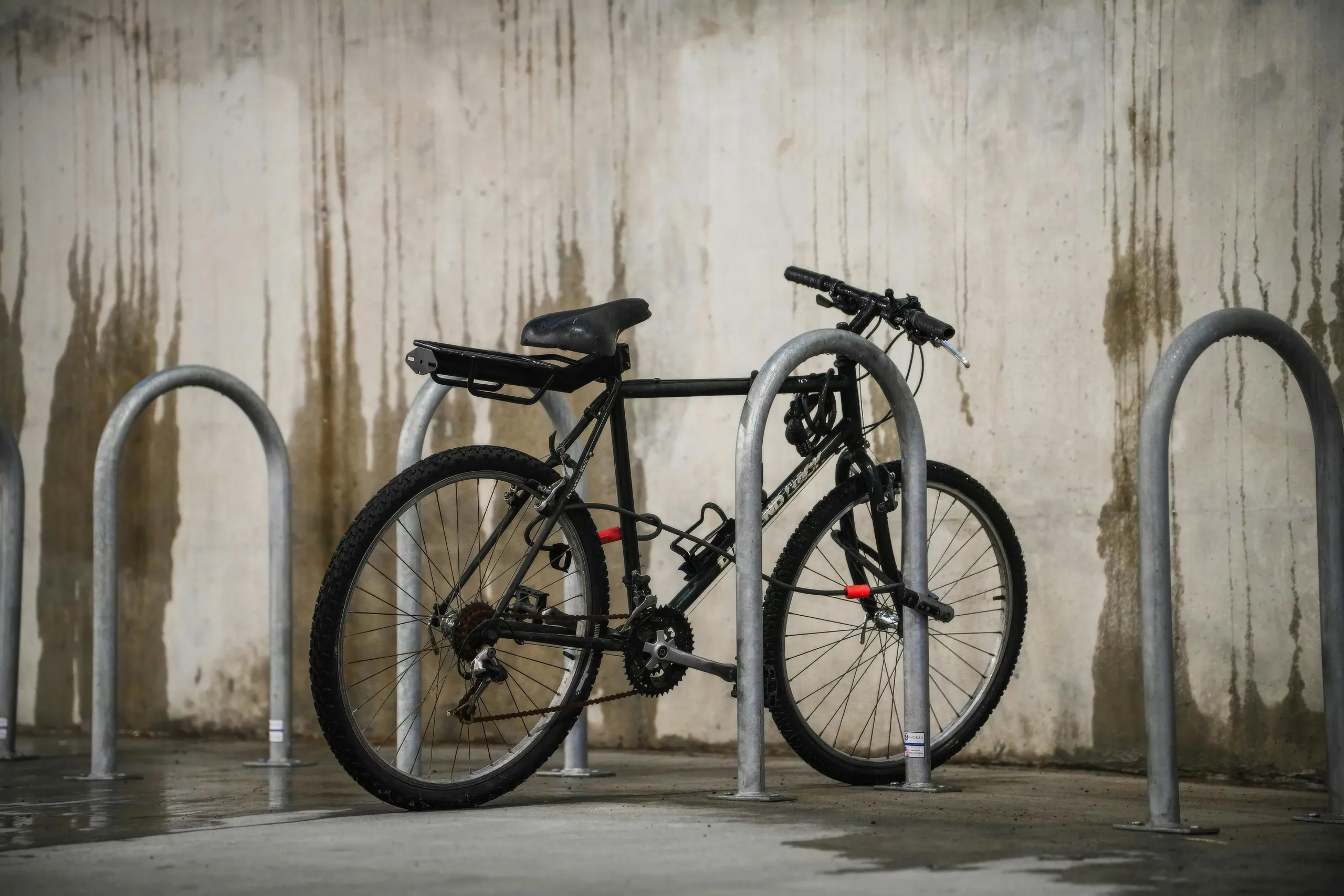
A little bit of planning makes a big difference when you know the weather might be bad. Checking the forecast the night before, thinking about what you’ll wear, and giving yourself a few extra minutes in the morning all help remove the stress that can come with wet-weather riding.
It also helps to accept that some days won’t feel perfect, and that’s fine. Most regular commuters don’t ride because the conditions are ideal, they ride because it fits their routine. Once cycling becomes part of the day rather than an event, the rain stops feeling like such a big deal.
It’s worth pointing out that there are some times when cycling to work in the rain isn’t advised for safety reasons. If you’re on a road bike with skinny tyres, or the rain looks like it could turn into thunder and lightning, then common sense should always come first. It also helps to accept that some days won’t feel perfect, and that’s fine.
If you already have a basic setup sorted, like the one covered in the cycle commute essentials guide, you probably have everything you need to ride in most conditions without changing much at all.
Confidence Builds Faster Than You Expect
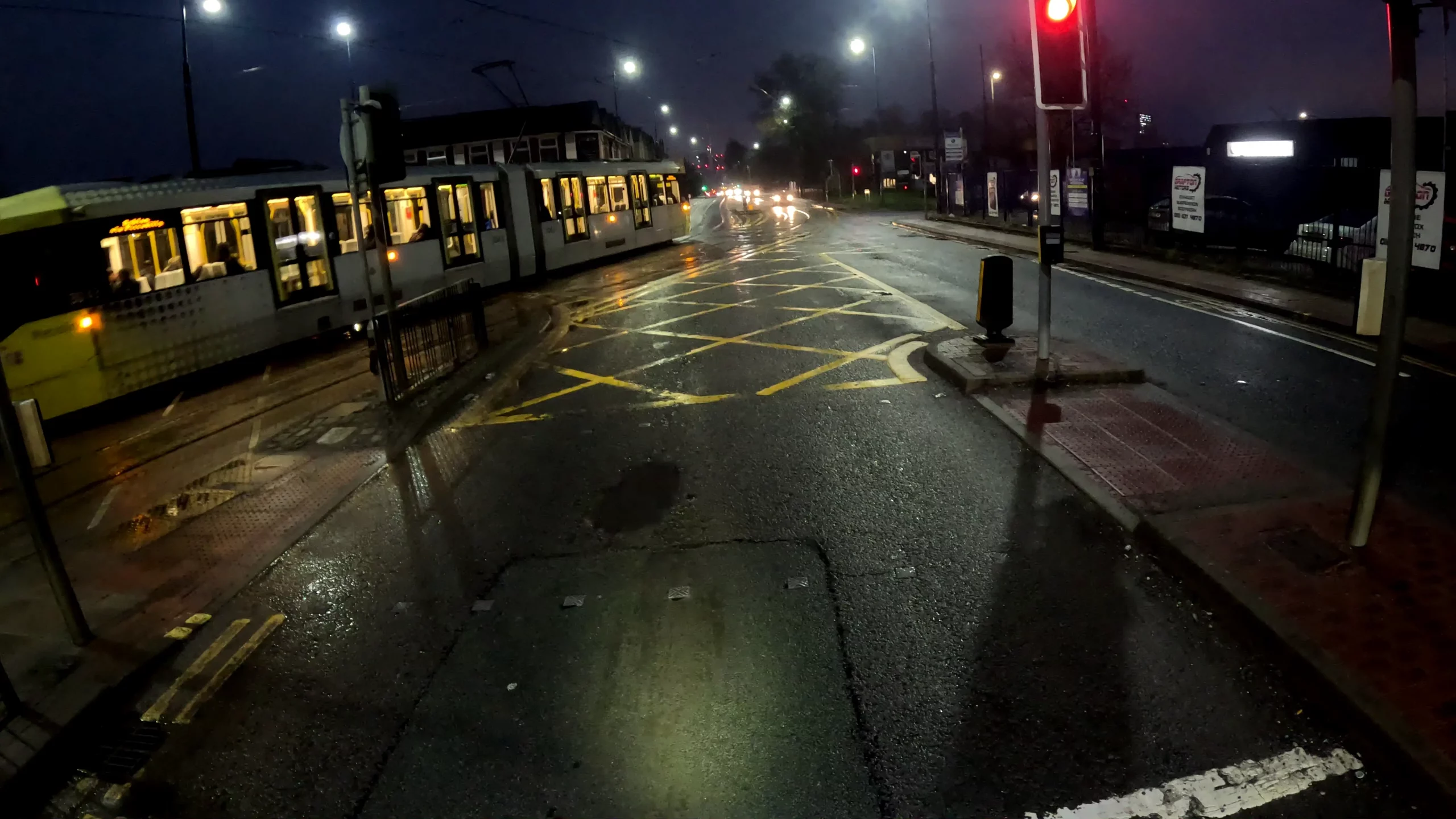
The first few times cycling to work in the rain can feel awkward and a little uncomfortable. But confidence usually builds faster than people expect. Once you realise that the bike still handles normally, traffic behaves the same way, and the ride is still manageable, the worry fades quite quickly.
A lot of the fear comes from imagining the worst-case situations before you’ve even tried it. The same thing happens with riding in traffic or commuting longer distances. Experience makes everything feel smaller.
You don’t need to force yourself out in the worst weather straight away, but being willing to ride when conditions aren’t perfect makes it much easier to turn cycling into something you can rely on rather than the occasional commute.
Final Thoughts
Cycling to work in the rain sounds worse than it really is. The first few rides might feel uncomfortable, but with a steady pace, sensible preparation, and realistic expectations, wet weather commuting becomes just another part of the routine.
Once you get used to it, rain stops being a reason not to cycle, and your commute becomes something you can stick with all year round.
If this article was helpful, I’ve made an E-Book to help you in your first few weeks of cycle commuting. Just click the link below.
Any questions, get in touch using the contact page.
– Dan