

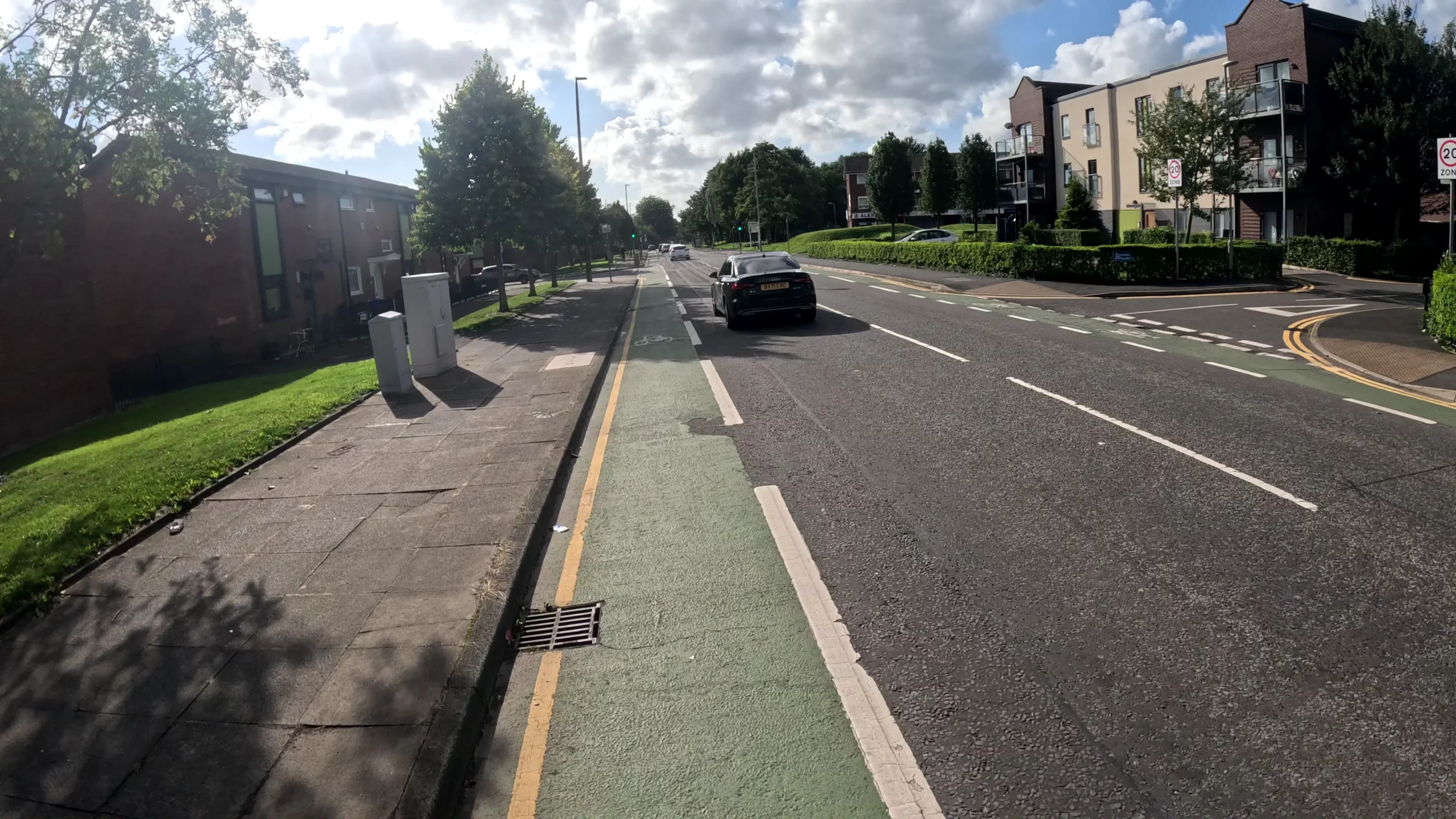

When cycling becomes your commute rather than your hobby, priorities shift. It stops being about average speed, personal bests, or pushing fitness. It becomes about arriving at work in a state that allows you to function properly for the rest of the day. That difference might sound subtle, but it changes the entire experience of a cycle commute.
Slow cycling isn’t about deliberately riding slowly. It’s about removing unnecessary pressure from something that needs to work long term.
Table of Contents
Going too Hard
A common beginner mistake is to feel passionate about your new hobby and underestimate the toll it may take on your body. Cycling is still the most efficient form of human-powered transport, but you are the engine! Better to take it slow at first as this can offer a number of advantages. A good way of measuring effort in the early days is a simple rule: if you begin to sweat, then you are going too fast.
An established cyclist can also fall foul of this, by treating every ride like a workout. You start with enthusiasm, ride hard, and feel productive. At first, it feels like you’ve used a cheat code to get an extra 5 rides in a week. You’re getting fitter and making progress; your miles are up on Strava. But after a few weeks, that effort starts to accumulate.
You arrive slightly tired. You finish the day drained, and fall asleep on the sofa. You get to the weekend and don’t feel like getting out on the bike for your usual Sunday spin. We covered this in our article 5 Beginner Mistakes New Cycle Commuters Make (And How to Avoid Them).
Commuting by bike needs to be treated more like a practical decision than an oportunity to hit a new PB. It should feel like when you get to the office, you’ve had a slight morning workout and not that you need to empty the canteen vending machine of snacks.
Slow cycling is the key to that dynamic. You can set a steady, sustainable pace that allows you to get the miles in, reap the many health benefits and still function as you did before. This was you’re not borrowing energy from the rest of the week, meaning come Thursday, you can hardly function.
Why Sustainability Matters More Than Speed
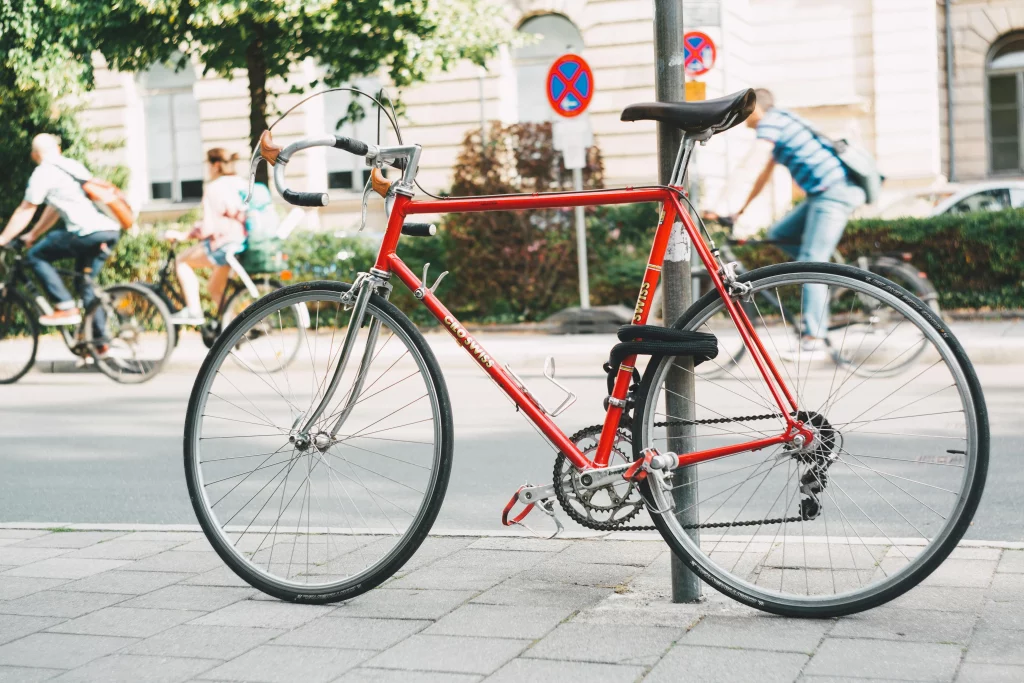
If your goal is cycling to work every day, sustainability matters more than speed.
Think of your daily energy as a limited resource. Commuting by bike should add to your quality of life, not take away from other areas. Work, family, friends and hobbies all require some of your time and energy. If you are taking the commute to and from work too hard, you may not have much left for anyone or anything else.
Cycling at a more manageable pace will leave you arriving at work alert and ready for the day. This is important when building in a new habit, that it becomes a realistic and sustainable part of your day.
The strongest commuting habits aren’t built on intensity. They’re built on consistency.
Slow Cycling and Confidence in Traffic
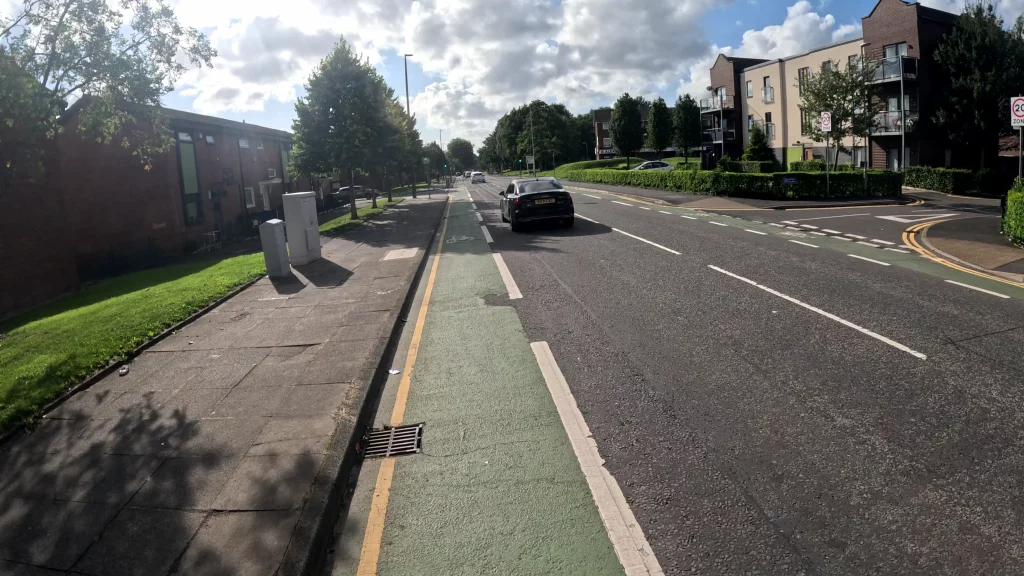
Many beginners worry about cycling in traffic. It can feel intimidating at first. But often, that anxiety is made worse by riding at a pace that feels slightly rushed and unable to react if something happens.
When you take your time and slow things down, everything feels more manageable. It’s easier to make decisions, less pressure to reach those lights in time before they change. Or squeeze through that gap ahead. Cycling slower removes pressure and urgency, because you left yourself plenty of time.
Over time the familiarity of the route and the routine will build confidence. One day you won’t think twice about riding along that road that seemed so scary not so long ago. We have some handy tips in our article Is Cycling to work dangerous? The Truth About Traffic and Confidence.
The Mental Space a Cycle Commute Creates
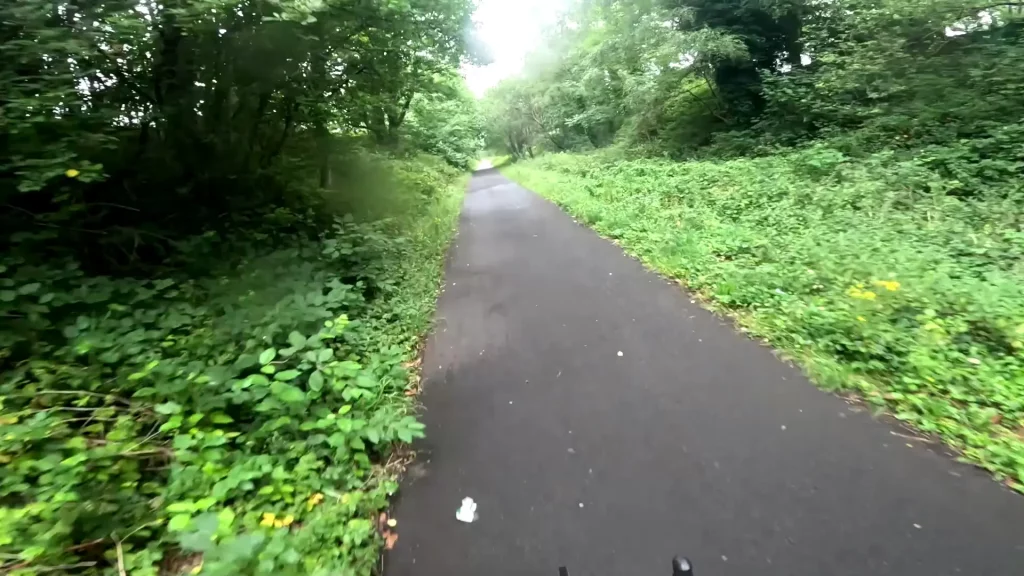
One of the unexpected benefits of a sustainable cycle commute is mental space. Think of your morning commute like a form of meditation. It should be a calming and enjoyable experience that leaves you with a positive feeling.
This space becomes highly valuable for those that regurlarly partake in cycle commuting. It’s an unspoken benefit that gives you a chunk of time in the morning with no distractions. No mobile phone, no conversation, no radio. The only background noise is the world around you and your thoughts. It is one of the best and little-considered benefits.
CyclingUk has a great route planner you can use to find an ideal route local to you for your cycle commute.
Building Long-Term Cycle Commuting Habits
The aim here is to build something that will last.
Slow cycling supports long-term cycle commuting habits because it reduces fatigue, lowers stress, and removes unnecessary pressure. You’re less likely to burn out, and less likely to skip weeks at a time. Instead, commuting by bike becomes normal, and normal is powerful. It’s key to follow some of the steps we discussed in our article Slow Cycling: How To Build A Cycle Commute You Love and Can Actually Stick With.
Once something feels normal, it stops being a project. It’s just how you travel.
Final Thoughts
Slow cycling and cycle commuting work well together because they share the same goal: sustainability. You don’t need to be fast, and you don’t need to prove anything. You just need a pace that lets you keep showing up.
In the long run, that steady approach makes all the difference.
If this article was helpful, I’ve made an E-Book to help you in your first few weeks of cycle commuting. Just click the link below.
Any questions, get in touch using the contact page.
– Dan