

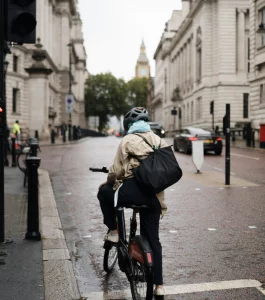

Starting on your journey to become a cycle commuter sounds simple in theory. You picture a steady ride, some fresh air, maybe even enjoying the journey more than sitting in traffic. But one of the first questions most people should ask themselves is “How Far Can A Beginner Cycle Commute Without Burning Out?”. It’s a sensible thing to think about, because getting the distance wrong early on is one of the quickest ways to destroy your motivation.
Table of Contents
There are a few very important things to consider before you even think of pushing a bike out the door and joining the growing crowd of cycle commuters. You first need to ask yourself a few realistic questions and make a realistic assessment about what is actually going to work for you personally. This is the key to answering the question “How Far Can A Beginner Cycle Commute?” and getting yourself off to the best start. The question we are focusing on in this article is how far is too far? The truth is that a beginner cycle commute needs to be sustainable first, impressive second. If the distance leaves you drained before the working day even starts, it becomes very hard to stick with.
Why Distance Matters More Than Speed
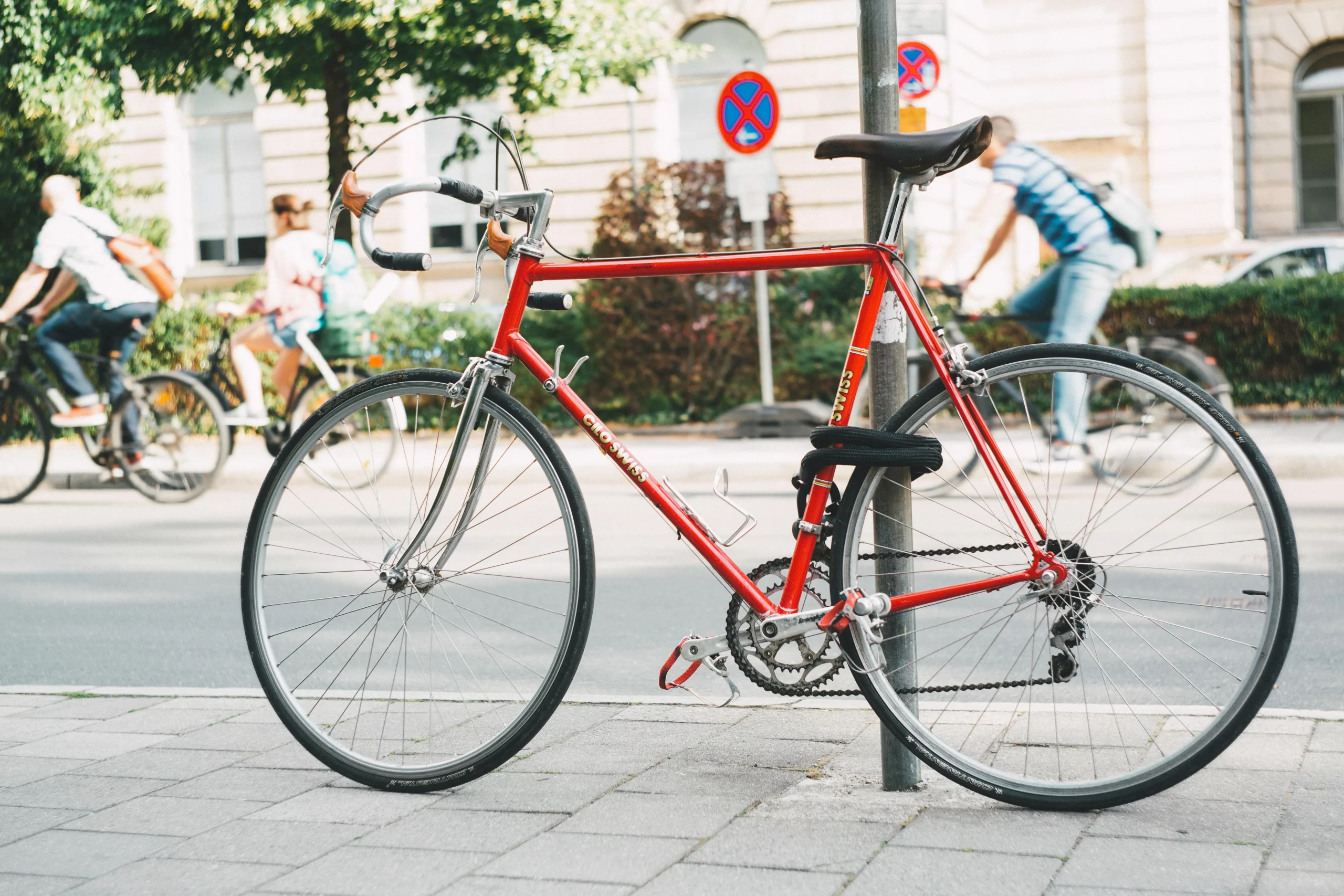
It’s easy to get caught up in how fast you are going and lose sight of the bigger picture. This is not a weekend sportif where after you can become a vegetable and lay on the sofa for the rest of the afternoon. Once at work your commute doesn’t become an excuse to underperform, so you need to plan carefully and arrive in top condition. We discussed a few methods to help with this in our article Slow Cycling: How To Build A Cycle Commute You Love and Can Actually Stick With.
A ride that feels easy once or twice a week can feel completely different when you repeat it five days in a row. This is where many beginners run into trouble. They choose a distance that is physically possible, but not realistic long term.
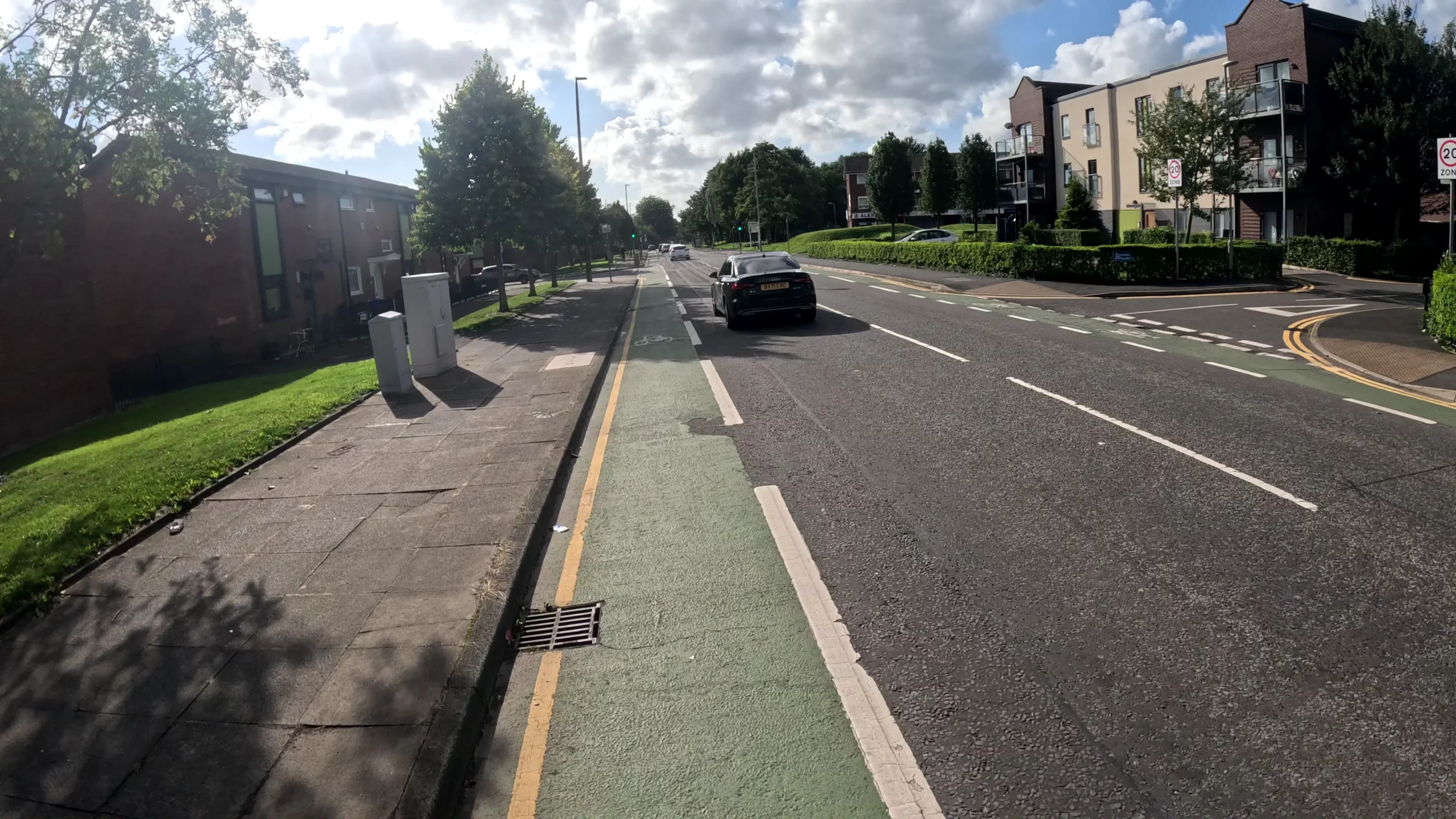
Using some route planning tools can really help take the pressure off so you can cycle slower and maintain a realistic routine. The National Cycle Network has a handy tool to check out cycle lanes near you.
A Realistic Distance for a Beginner Cycle Commute
There isn’t an exact science to this, it depends hugely on what your usual fitness and activity levels are, but most beginners find that somewhere between 3 and 8 miles each way is a comfortable starting point. Shorter than that and the ride barely feels like it was worth the effort and walking is a better option. Much longer, and fatigue starts to build quickly, especially if you are riding every day.
What catches people out when thinking “How Far Can A Beginner Cycle Commute?” is not the first day, but the third or fourth day in a row. The legs start to feel heavier, motivation drops slightly, and you’re falling asleep on the sofa early. When you get caught in this position it can be easy to say “It doesn’t work for me” or “I have too many other responsibilities”. But this is actually the point that you need to double down on the commitment. It doesn’t mean stopping altogether, just reassessing what is right for you and adjusting some distances.
That doesn’t mean longer commutes are impossible. Plenty of people ride 10 miles or more each way. The difference is that they built up to it gradually instead of starting there, or they were already cyclists and this was just an extension of their hobby.
Terrain Makes a Bigger Difference Than Distance
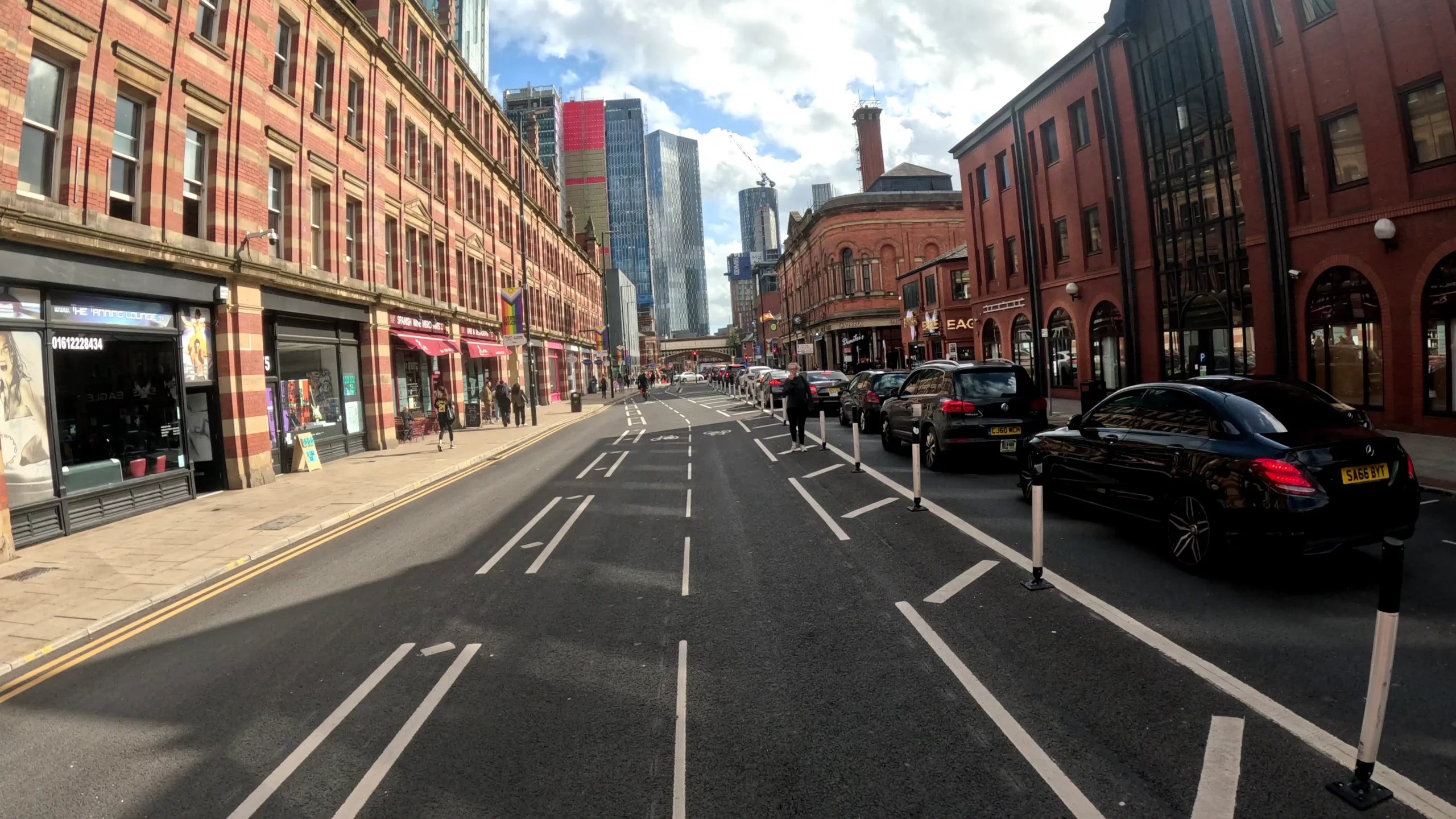
Five flat miles can feel easier than two miles with steep hills. This is something beginners often underestimate when planning their first cycle commute.
It’s important to not just look at the distance but also the route’s topography, one that looks short on a map can turn out to be slow and tiring if they include busy junctions, sharp climbs, or rough surfaces. On the other hand, a slightly longer route on quieter roads can feel far more relaxed.
It’s usually worth testing the route on a day off before committing to riding it to work. That way there’s no pressure to arrive at a certain time, and you can get a feel for how the distance actually rides rather than how it looks online. It is worth checking out our articleWe discussed this in our 5 Beginner Mistakes New Cycle Commuters Make (And How to Avoid Them), where we discussed this.
Time vs Distance — What Matters More
A mistake many beginners make is focusing only on miles. In reality, time on the bike is often a better guide than distance, especially when you are just starting out.
For most people, a 15–25 minute ride feels manageable even if fitness is low. Once a commute starts creeping above 30 mins each way, it becomes much harder to repeat every day without feeling tired. Traffic, hills,junctions and the time of day can make a short distance take longer than expected, which is why two distances that look similar on a map can feel completely different in real life.
If you are unsure, it’s usually better to start with a shorter ride and increase it later than to start too long and lose motivation. Or go for a ride on the weekend of the route, to see how you feel going there and back without a full day’s work in between.
Riding Slowly Is Not a Bad Thing
Riding slowly is one of the most under rated and overlooked ways of making your commute easier. One of the biggest mistakes beginners make is treating the commute like a workout. Riding too hard, especially in the first few weeks, is the fastest way to burn out.
A steady pace keeps your energy level consistent and makes the distance feel shorter. When the goal is simply getting to work comfortably, not setting records, the whole experience becomes much easier to repeat.If you arrive slightly warm but still comfortable, you have probably found the right pace and worn the right amount of layers. If you arrive feeling a bit sweaty and out of breath, you’ve gone too hard or worn too much. It’s a fine balance that you will perfect over time. We have a great article on Slow Cycling: How To Build A Cycle Commute You Love and Can Actually Stick With that will help you out.
Building Distance Gradually
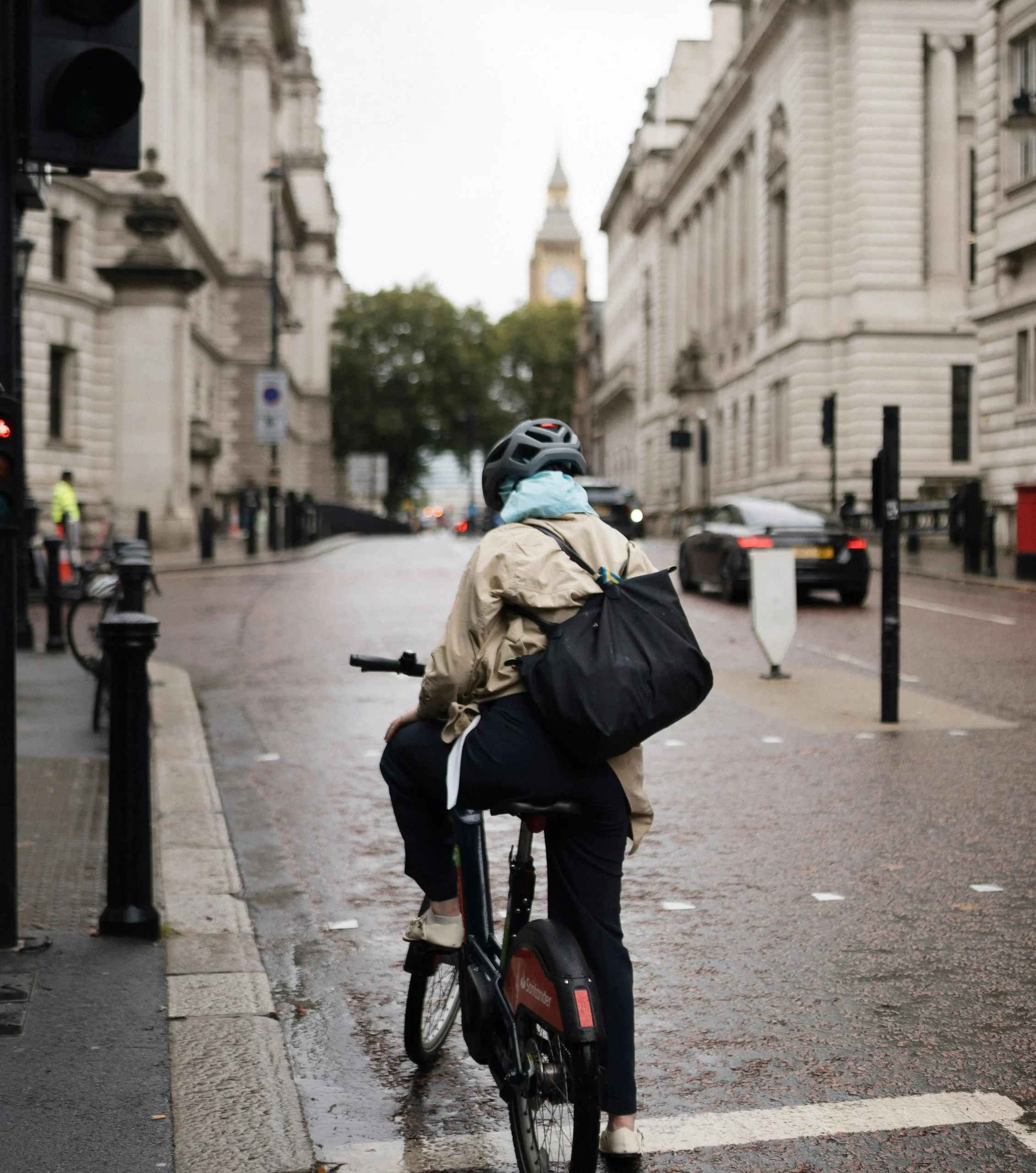
There is no rule that says you need to start by riding every day. In fact, beginning with two or three rides a week is often a better approach. There is also no rule that states you need to ride the whole way, often taking the train or another form of public transport can ease you in, and also give you an easy way to get home if you have a mechanical.
This gives your body time to adapt and lets you figure out what distance feels comfortable without putting pressure on yourself. Once the ride starts to feel normal, you can add more days or make the route slightly longer. This is more a personal choice of risk/reward and it’s something you can only find by giving it a go.
Over time, what felt far at the beginning often becomes routine without you really noticing. It’s like being a grown up, by the time you realise you have officially become a cycle commuter you are already 10 decisions in.
When a Commute Is Too Far for Now
This is an easy one to answer, it’s that it no longer feels good. If you find yourself falling asleep mid meeting, or having an unconquerable hunger. These are signs you have pushed your body a little too far, but do not fear.
This doesn’t mean cycling isn’t for you, and it’s important to not become discouraged. It just means you need to reduce the load by 20-40% and then see how that feels. Shortening the route, riding fewer days, or slowing the pace can make a huge difference without giving up on commuting altogether.

What Most Cycle Commuters Actually Ride
It’s easy to assume regular cycle commuters are riding huge distances every day, but most people are not. According to Strava data, most UK cycle commuters ride approximately 8–9 km (roughly 5–6 miles) per day in a single direction.
Longer commutes are possible, but they come at a price in the form of an earlier start, and more fueling through the day. A longer commute usually comes after experience builds or circumstances change that force it. Starting shorter and increasing gradually is far more reliable than trying to do too much from day one.
Once cycling becomes part of your routine, the distance often increases naturally without you even thinking about it. You will also find it becomes one of, if not the best part of the day.
Finding Your Own Comfortable Distance
The right beginner cycle commute distance is the one you can repeat without thinking twice about it. It should feel manageable on a Monday morning, not just on a sunny weekend.
For some people that will be a couple of miles. For others it might be ten. The important part is that the ride fits around your life instead of taking all your energy.
Once cycling becomes normal, distance stops feeling like the main challenge. Confidence grows, fitness improves, and what once felt far starts to feel easy.
Final Thoughts
So the answer to the question “How Far Can A Beginner Cycle Commute Without Burning Out?” is slightly more complicated. A beginner cycle commute should never feel like something you have to force yourself to do. If the distance is realistic, the ride becomes easier every week instead of harder. Sure there will be some days when you look outside and think of driving. But trust me from experience, the minute you are sat in traffic you will wish you cycled.
Start shorter than you think you need to. Ride at a steady pace. Give yourself time to adapt.
It might not sound dramatic, but this is what makes cycle commuting stick. You are building a healthy and sustainable habit so it needs to start that way. And once it sticks, the distance usually takes care of itself.
If this article was helpful, I’ve made an E-Book to help you in your first few weeks of cycle commuting. Just click the link below.
Any questions, get in touch using the contact page.
– Dan