


You might have heard that there have been some Highway Code changes 2025. These affect Drivers and Pedestrians and cyclists, so it’s worth taking a few minutes to understand them.
The Highway Code has been updated again in 2025, and while most of the changes aren’t dramatic on the surface, they do shift how different road users are expected to behave around each other. As we move towards more use of public transport and alternative means of transport, and away from the car-centric city designs that have shaped city design for many decades. These changes are designed to support that.
If you’re already cycling or commuting regularly, this isn’t about learning a new set of rules from scratch. It’s about understanding how expectations have changed, particularly around positioning, overtaking, and responsibility on the road.
This isn’t a full breakdown of the Highway Code. It’s a look at what has actually changed, and what those changes mean in practice when you’re out riding, driving, or simply moving through busy roads every day.
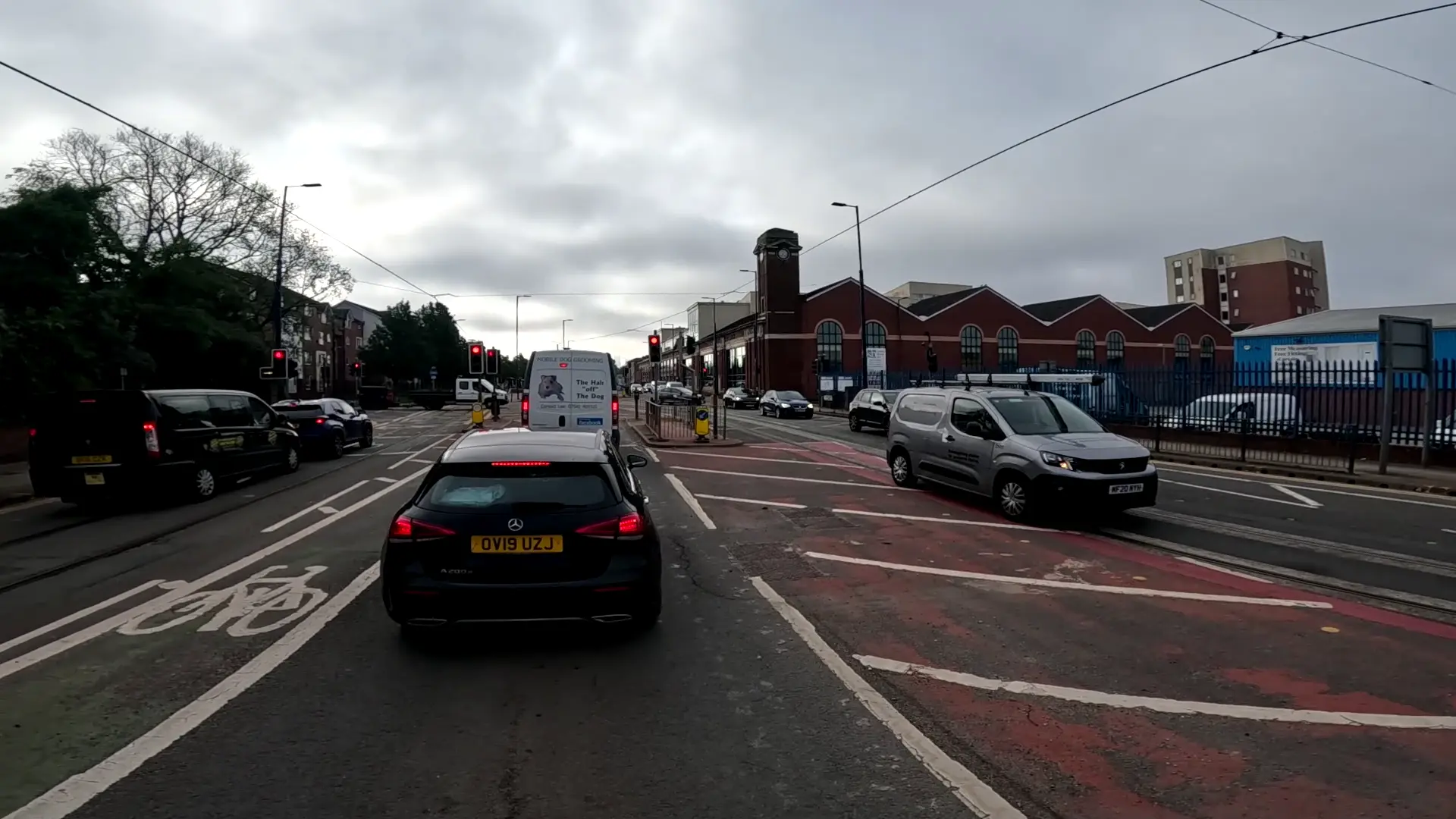
Table of Contents
What Has Changed in 2025
The Highway Code Changes 2025 update builds on previous revisions rather than introducing completely new ideas. The main focus is still on clarity, especially around how different road users interact.
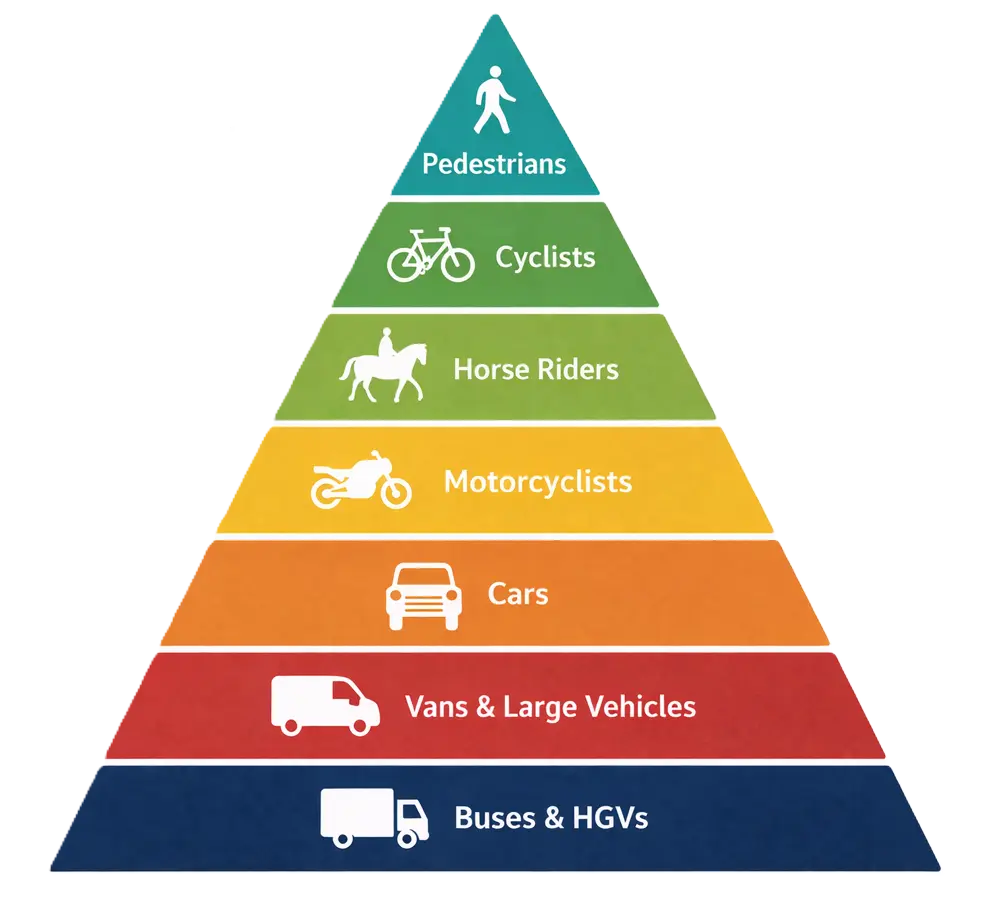
At the centre of this is the continued emphasis on the hierarchy of road users, which places greater responsibility on those who can cause the most harm. Drivers are expected to take more care around cyclists and pedestrians, and cyclists are expected to be more aware of pedestrians. Ultimately it puts the emphases on the road users that cause the most harm. There were 1,579 deaths on our roads in 2025, and the changes hope to curb this.
You can read the full update here:
https://www.gov.uk/guidance/the-highway-code
The wording has been refined to remove ambiguity, particularly around overtaking, junction priority, and positioning. The intention is to make behaviour on the road more predictable, even if real-world adoption takes time.
The Hierarchy of Road Users (Refined, Not New)
The hierarchy itself isn’t new, but it has been reinforced and clarified further under the Highway Code Changes 2025.
In simple terms, it places responsibility in this order:
- Drivers of larger vehicles
- Drivers of smaller vehicles
- Cyclists
- Pedestrians
For those already using the road regularly, this doesn’t change how you ride or drive in isolation, but it does change what is expected of others around you.
For cyclists, it provides stronger backing for safe positioning and visibility. For drivers, it places clearer responsibility on how they interact with more vulnerable road users. It’s less about giving priority, and more about defining responsibility.
What This Means for Cyclists in Practice
For cyclists, the biggest impact is around positioning and predictability.
The updated guidance in the Highway Code changes 2025 reinforces that riding in a more central position is not only acceptable, but often the safer option, particularly on narrower roads or where overtaking would be unsafe.
This is something experienced cyclists will already be doing, but the change is that it is now more clearly supported within the Highway Code itself. We discussed this in our article “5 Important Highway Code Rules for Cyclists in the UK“.
In practice, this reduces the incorrectly held belief that cyclists should always stay as far left as possible. Instead, the focus shifts to riding where you are most visible and where overtakes can happen safely. This is much safer for cyclists and also reduces the risk of punctures, and new cyclists being bullied by aggressive drivers on the road.
It also strengthens the expectation that drivers should anticipate this positioning, rather than treating it as unusual behaviour. If anything, this aligns closely with what most confident commuters already do. It just makes it harder to argue against.
What This Means for Drivers in Practice
For drivers, the updates of the Highway Code Changes 2025 are more significant.
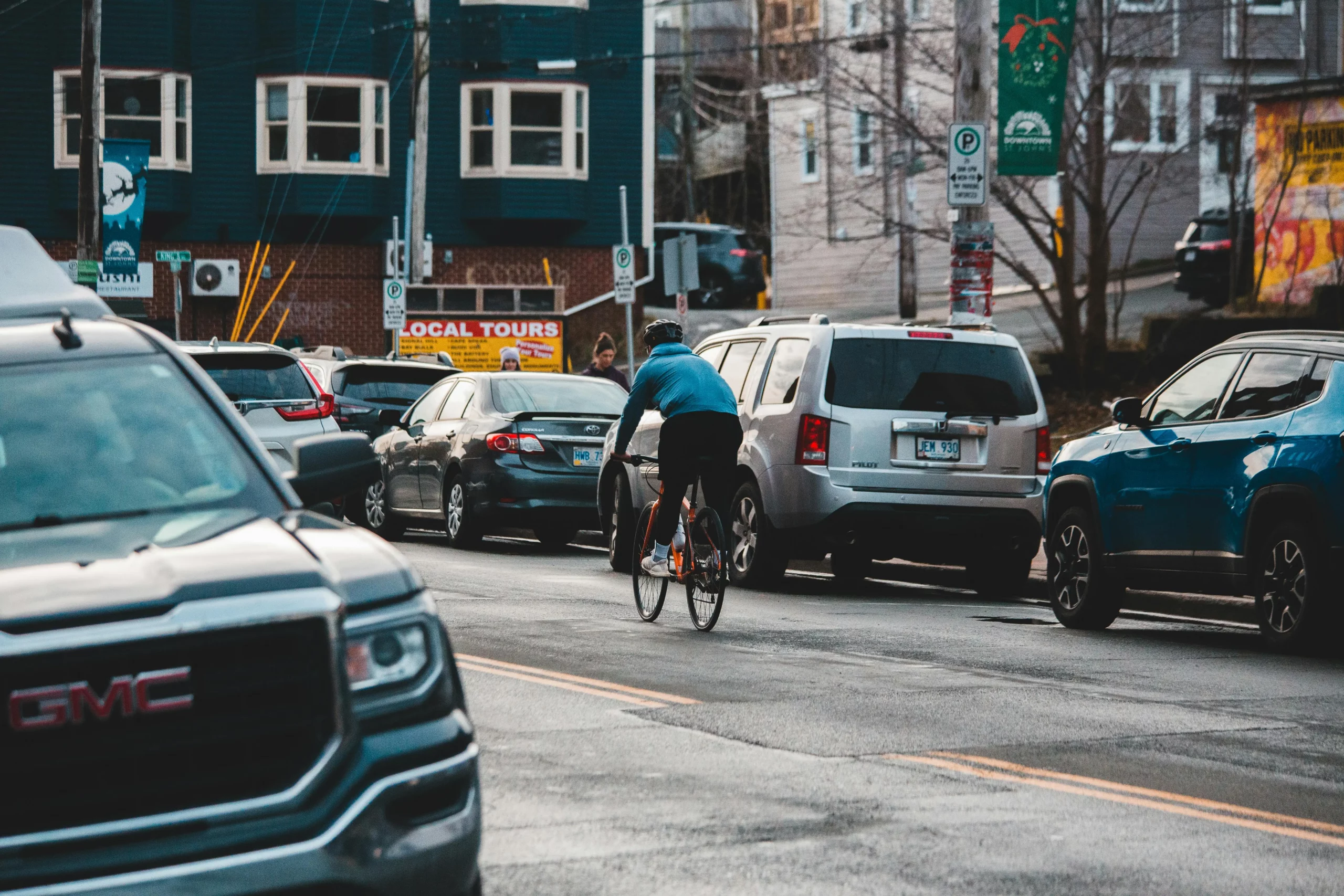
There is now clearer guidance around overtaking cyclists, particularly in terms of space and patience. Drivers are expected to wait until it is safe to pass, rather than trying to squeeze through gaps. While this practice is likely to continue, as those who exhibit this behaviour often are not concerned with the rules. It does allow cyclists a better chance of re-course against this behaviour.
This is especially relevant on narrower urban roads, where many commuter routes exist. The changes also reinforce the need to check for cyclists at junctions, particularly when turning across traffic. Cyclists travelling straight ahead now have clearer priority in these situations.
In theory, the Highway Code changes 2025 should reduce some of the most common conflict points between drivers and cyclists. In practice, it will take time for behaviour to fully align with the guidance. While this is now the guidance it’s important to look after your own safety and never undertake a car on the left that is indicating unless you are sure they have seen you.
What This Means for Pedestrians
The updates to Highway Code Changes 2025 also strengthen protections for pedestrians, particularly at crossings and junctions.
Drivers and cyclists are expected to give way more consistently when turning into side roads, and to be more aware in shared spaces.
For most regular cyclists, this isn’t a major behavioural change, but it does formalise expectations that were previously less clearly defined and it reinforces the idea that responsibility doesn’t stop with drivers. Every road user has a role in making interactions smoother and more predictable.
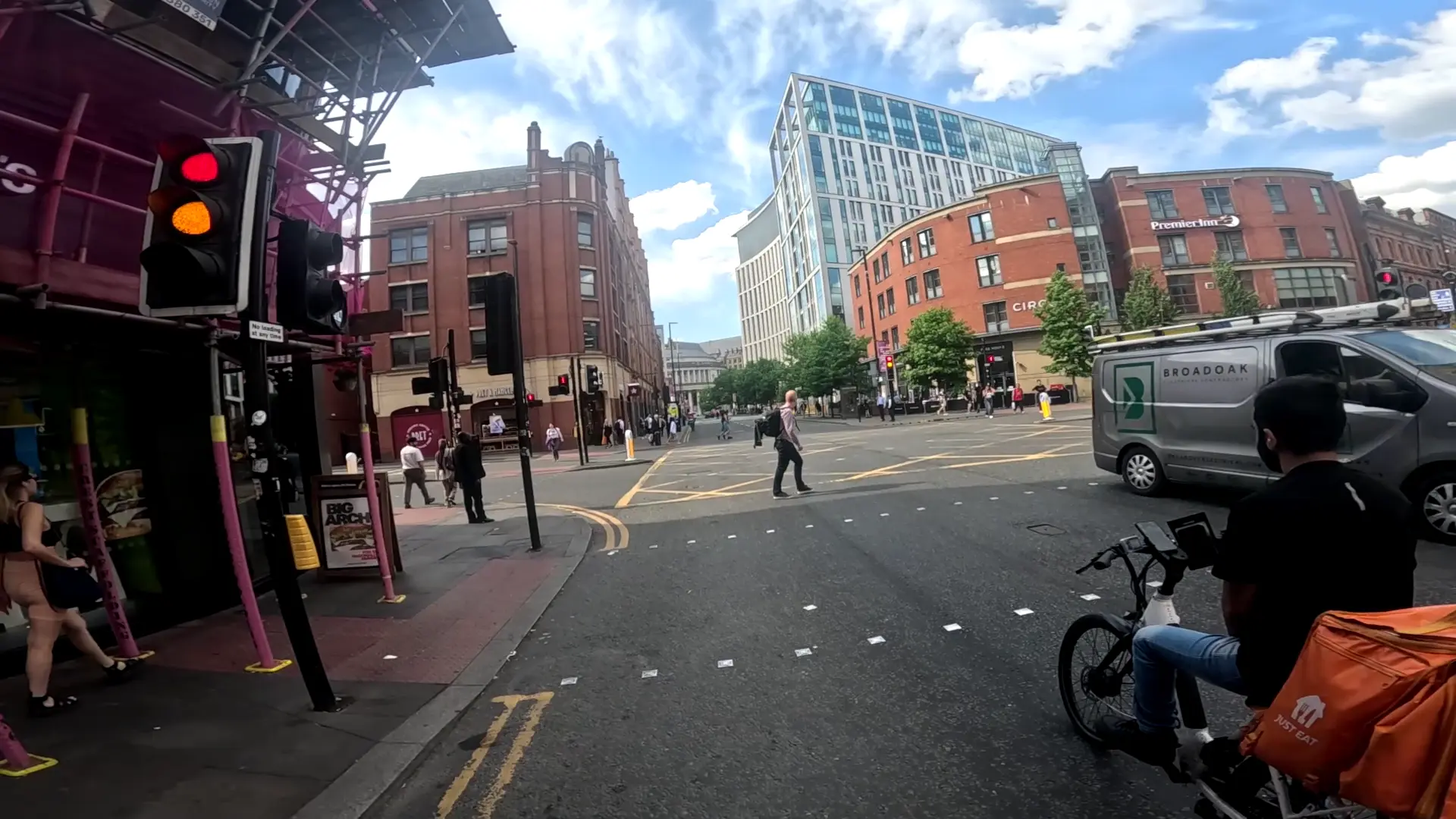
Where Friction Still Exists
While the rules are clearer, behaviour doesn’t change overnight.
There is still a gap between what the Highway Code says and how some road users behave in reality, and the Highway Code changes 2025 can only go so far in addressing that. Not every driver will give extra space. Not every cyclist will position confidently. Not every interaction will follow the updated guidance.
For regular commuters, this means the same principle still applies. Ride and drive based on what is happening around you, not just what should be happening. It’s always best to behave as if the cars have not seen you, assuming they have can be a dangerous assumption.
The updates provide a stronger framework, but they don’t remove the need for awareness and judgement.
Common Misunderstandings Since the Update
One of the biggest misunderstandings is that cyclists now have priority in all situations. That isn’t the case and the Highway Code changes 2025 hasn’t changed that.
The changes are about responsibility, not giving one group full control of the road. Everyone still needs to read situations and act accordingly.
Another common misunderstanding is that the Highway Code changes 2025 will immediately change how traffic behaves. In reality, change happens gradually. Some people adapt quickly, others take longer. As the next generation of drivers comes through, behaviour will gradually change, but there are a large number of drivers out there who don’t know about the changes.
For cyclists, the rules offer more support, but they don’t remove the need to ride with awareness.
What This Means for Daily Commuting
For anyone commuting regularly, the biggest impact of these changes is predictability.
Clearer expectations around positioning, overtaking, and junction behaviour make interactions on the road easier to read over time. And that’s what makes commuting feel more manageable.
This works best when combined with sensible route choices. If you’re riding regularly, you’ll already know that calmer roads make everything easier. If not, it’s worth looking at How to Plan Your First Cycle Commute Route, where route choice plays a big role in how these rules actually feel in practice.
It also links closely to Slow Cycling: How To Build A Cycle Commute You Love and Can Actually Stick With, because a steady pace makes it much easier to ride predictably and respond to what’s happening around you.
Final Thoughts
The Highway Code changes 2025 update doesn’t completely change how the roads work, but they do shift expectations in a way that supports more consistent and predictable behaviour. While also protecting the more vulnerable road users.
For cyclists, they reinforce positioning and visibility. For drivers, they clarify responsibility. For pedestrians, they strengthen protection. However, none of this removed the need to be aware of your surroundings. The best person to look after your safety is yourself.
And over time, that clarity is what makes sharing the road feel less uncertain, and much easier to deal with day to day.
If this article was helpful, I’ve made an E-Book to help you in your first few weeks of cycle commuting. Just click the link below.
Any questions, get in touch using the contact page.
– Dan