



How to Plan Your First Cycle Commute Route is one of the most important parts of getting started, and it’s something a lot of beginners get wrong without even realising it. Most people think the hard part is the riding itself, but in reality the route you choose will decide whether cycle commuting feels easy, stressful, enjoyable, or something you give up after two weeks.
It’s very tempting to just type your workplace into Google Maps, pick the shortest route, and assume that will do the job. The problem is that the best route in a car is very rarely the best route on a bike. Roads that feel completely normal when you’re driving can suddenly feel fast, loud, and uncomfortable when you’re on two wheels instead of four.
It’s best to take a bit of time to plan your first cycle commute properly, you give yourself a much better chance of sticking with it. The goal is not to find the quickest route, it’s to find the one you don’t mind riding every day.
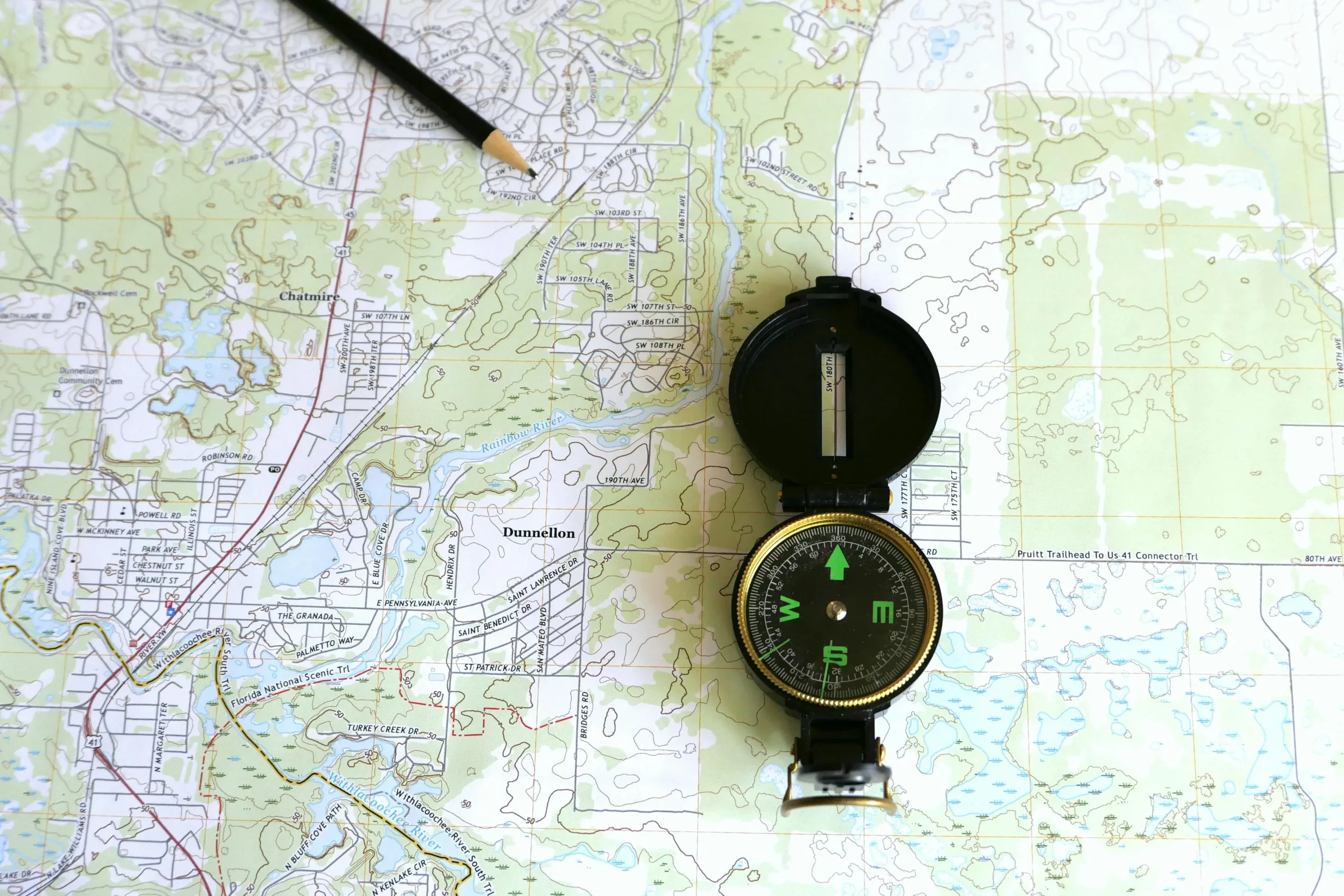
Table of Contents
Why Your Driving Route Is Usually the Wrong One
Why Your Driving Route Is Usually the Wrong One to choose when thinking about “How to Plan Your First Cycle Commute Route”.
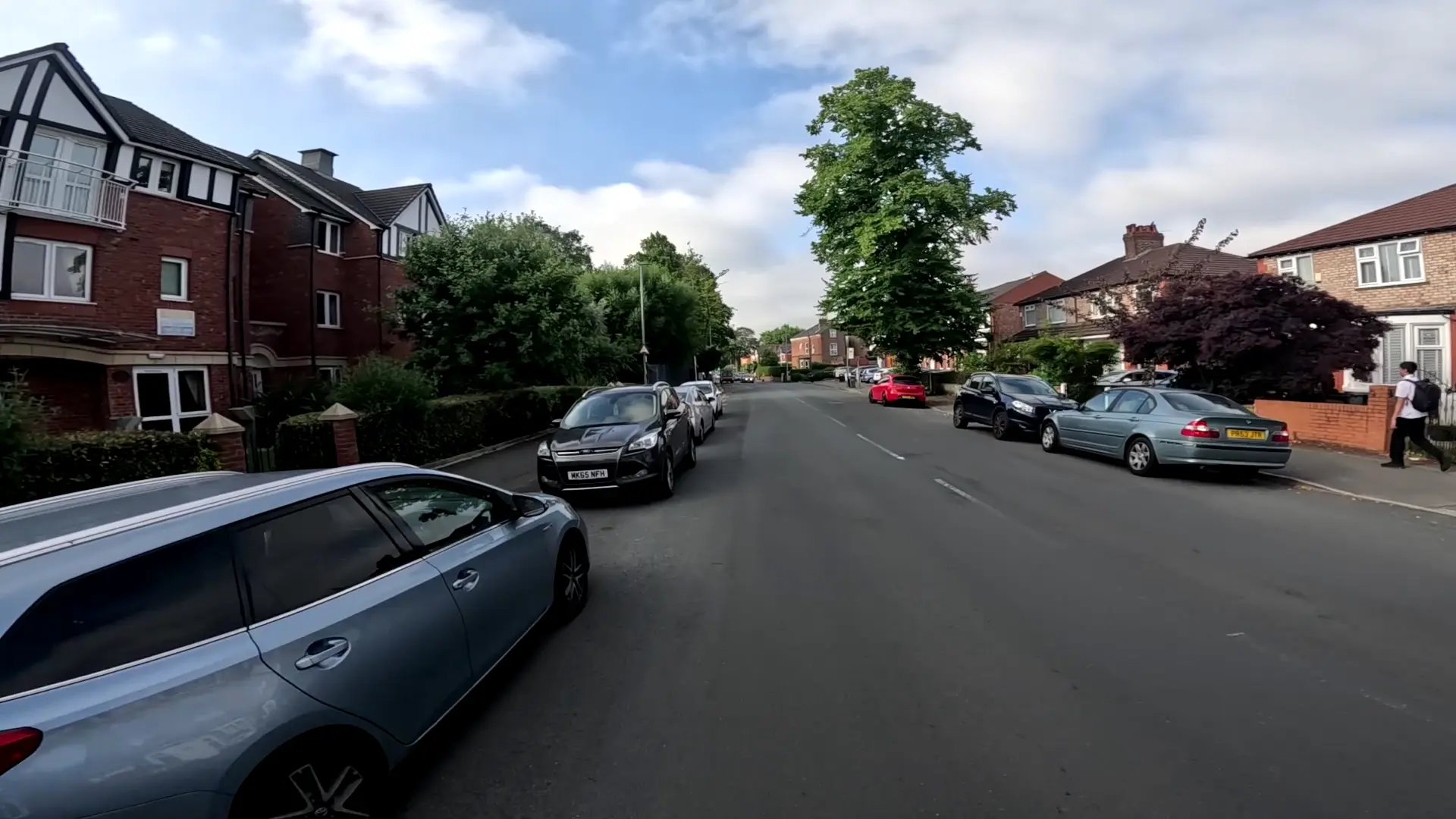
One of the most common mistakes when planning your first cycle commute route is following the exact same route you would take in the car. It feels logical, because you already know that road and how long it takes. But what feels fine behind a steering wheel can feel completely different on a bike.
Fast roads, busy roundabouts, and long stretches with no space for cyclists might only add a bit of stress when you’re driving, but on a bike they can make your cycle commute feel uncomfortable very quickly. Even if the distance is short, the wrong type of road can make your commute harder than it needs to be and more likely to bring you into conflict with drivers.
When you’re starting out, confidence matters far more than speed. A cycle commute route that feels calm and predictable will always be easier to stick with than one that saves five minutes but makes you tense the whole way.
We talked about this in 5 Beginner Mistakes New Cycle Commuters Make (And How to Avoid Them), and choosing the wrong route is right up there near the top of the list.
Start With a Distance You Know You Can Handle
Before you even start looking at roads, you need to be honest about how far your cycle commute route should be. A lot of people plan the route first and only realise afterwards that the distance isn’t realistic.
If you are new to cycling, it’s usually better to think in terms of time rather than miles. For most people, a 15 to 30 minute cycle commute route is a comfortable starting point. That might only be a few miles, or it might be more depending on terrain and traffic.
The mistake people make is choosing a cycle commute route that feels possible for a day or two, but not realistic five days in a row. You still have a full day at work ahead of you, and you still have to ride home.
If you are not sure what works, try riding your cycle commute route on a day off first and this will help you with visualising how to plan your first cycle commute route. Without the pressure of getting to work on time, you can see how it actually feels. It’s also a good excuse to stop halfway for a coffee and a pastry, which is basically a cycling tradition at this point.
Use Route Planning Tools Made for Cyclists
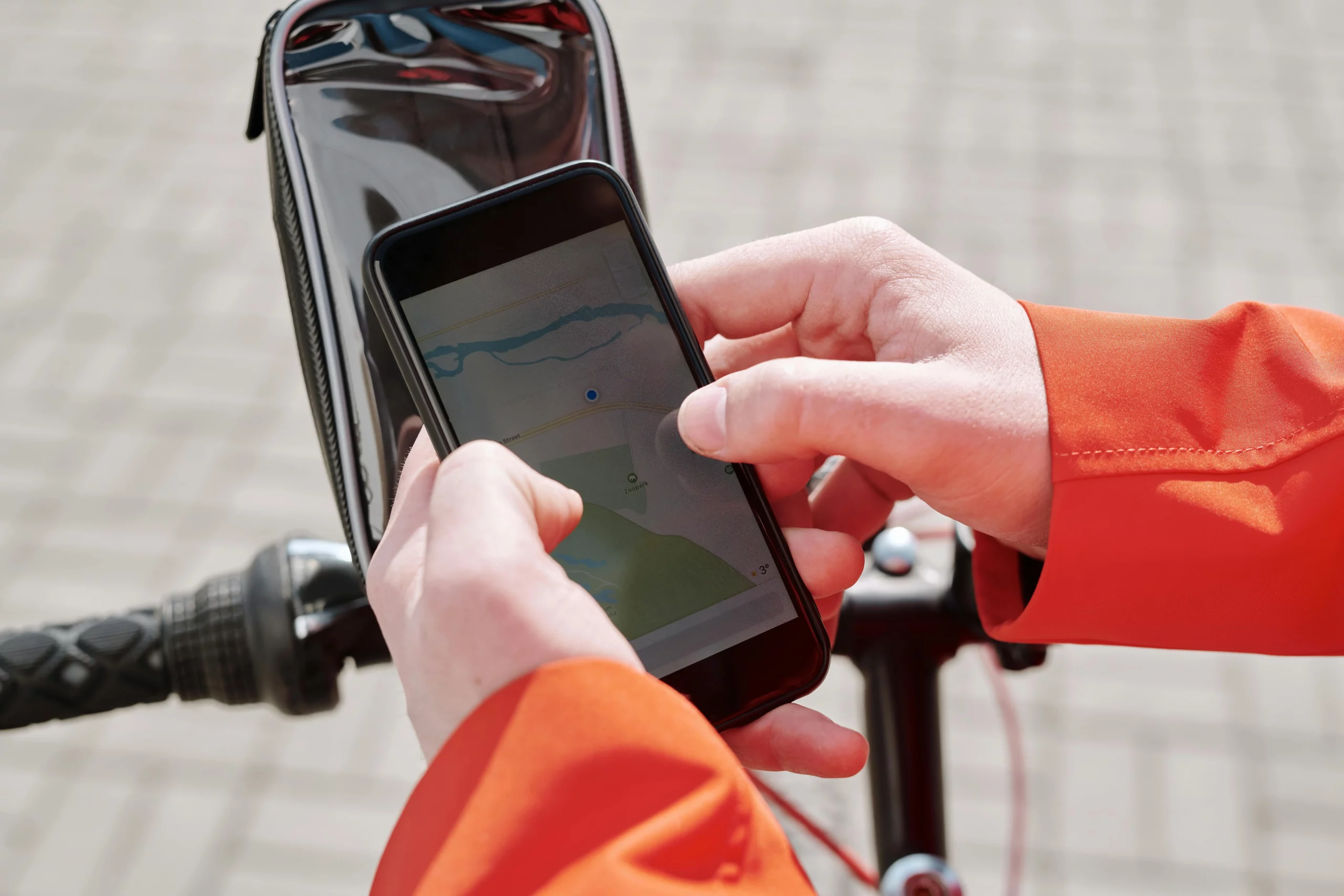
Google Maps is great for a weekend day trip, or to tell you where the police are waiting on the motorway. But it doesn’t always give the best route for bikes. It usually sends you the fastest way, which often means busy roads that are not great for commuting, although it has gotten better over the years. Google maps is great for checking out what a road looks like, and how much room there is for a bicycle which is great information when thinking about how to plan your first cycle commute route.
It’s generally better to use a more cycle specific program. I’ve listed a few below for you:
Cycle.Travel
This is one of the best for everyday cycling. It tries to find quieter roads, cycle paths, and routes that feel more comfortable, even if they are slightly longer.
National Cycle Network
This shows cycle routes and paths across the UK. It’s useful for spotting traffic-free sections you might not know about.
Komoot
Good for checking hills and elevation. A short route with steep climbs can feel harder than a longer flat one, so this can help you avoid surprises.
Using these tools together usually gives you a much better route than just picking the first option that comes up.
Look for Quiet Roads, Not Perfect Cycle Lanes
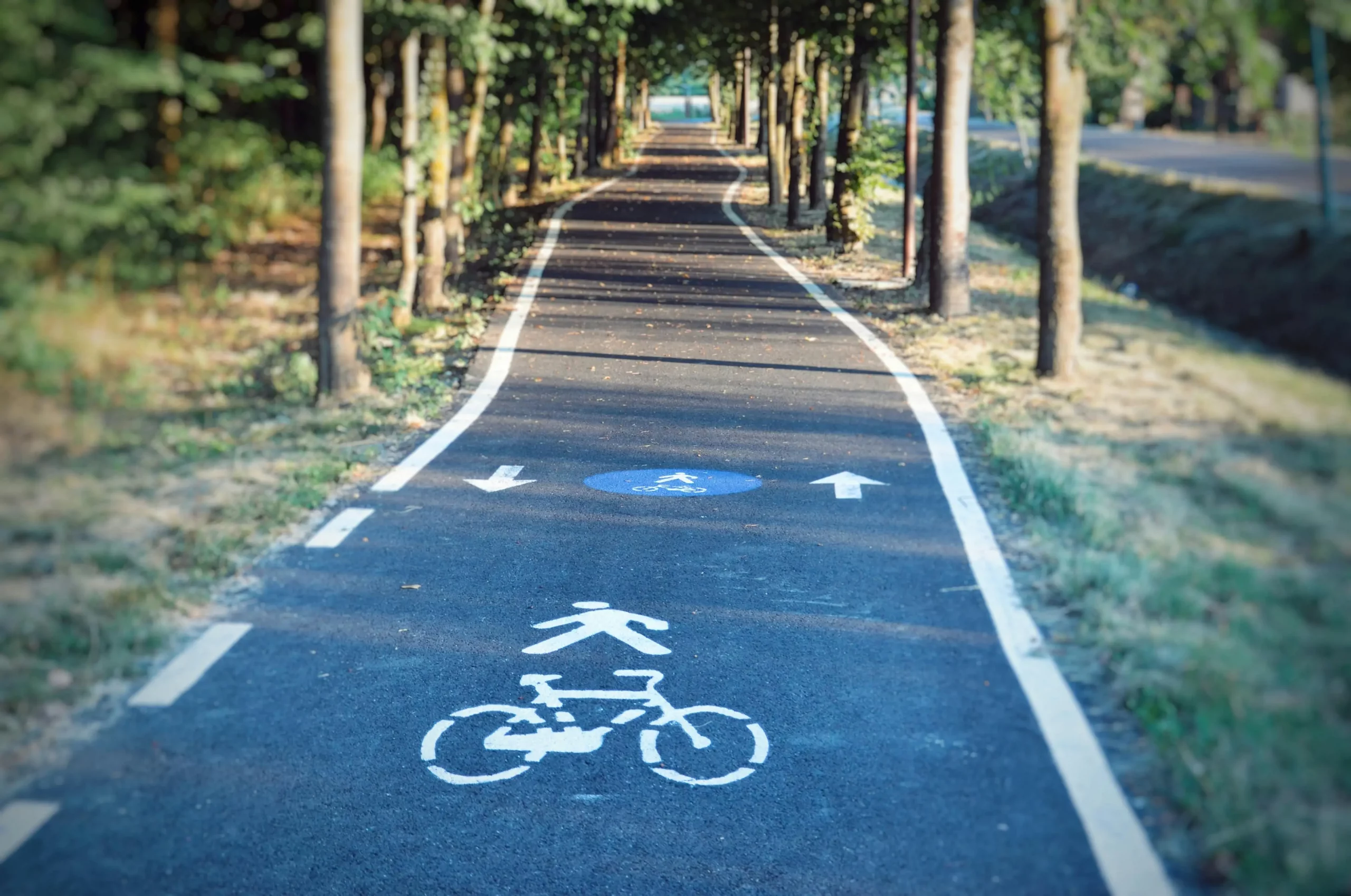
When people imagine commuting by bike, they often picture long cycle lanes the whole way to work. In reality, most routes are a mix of different types of roads, and that’s completely normal. You don’t need the perfect route, you just need one that feels manageable. Residential streets, back roads, and shared paths often make the ride much more relaxed, even if they add a bit of distance.
Busy junctions are usually what make beginners nervous, not the miles themselves. If you can avoid one or two stressful sections, the whole commute feels easier. Sometimes the best route is not the most obvious one, so it’s worth trying a few options before settling on one. So always think about how busy these roads are at different times of the day when thinking how to plan your first cycle commute route.
Never stop trying other routes either, small changes to sections of your journey can make a huge difference.
Test the Route Before Your First Day
One of the best things you can do is ride the route you’ve planned before you actually need to use it for work. This takes all the pressure off and lets you see how the journey really feels. This is a great bit of information and can really shape how to plan your first cycle commute route.
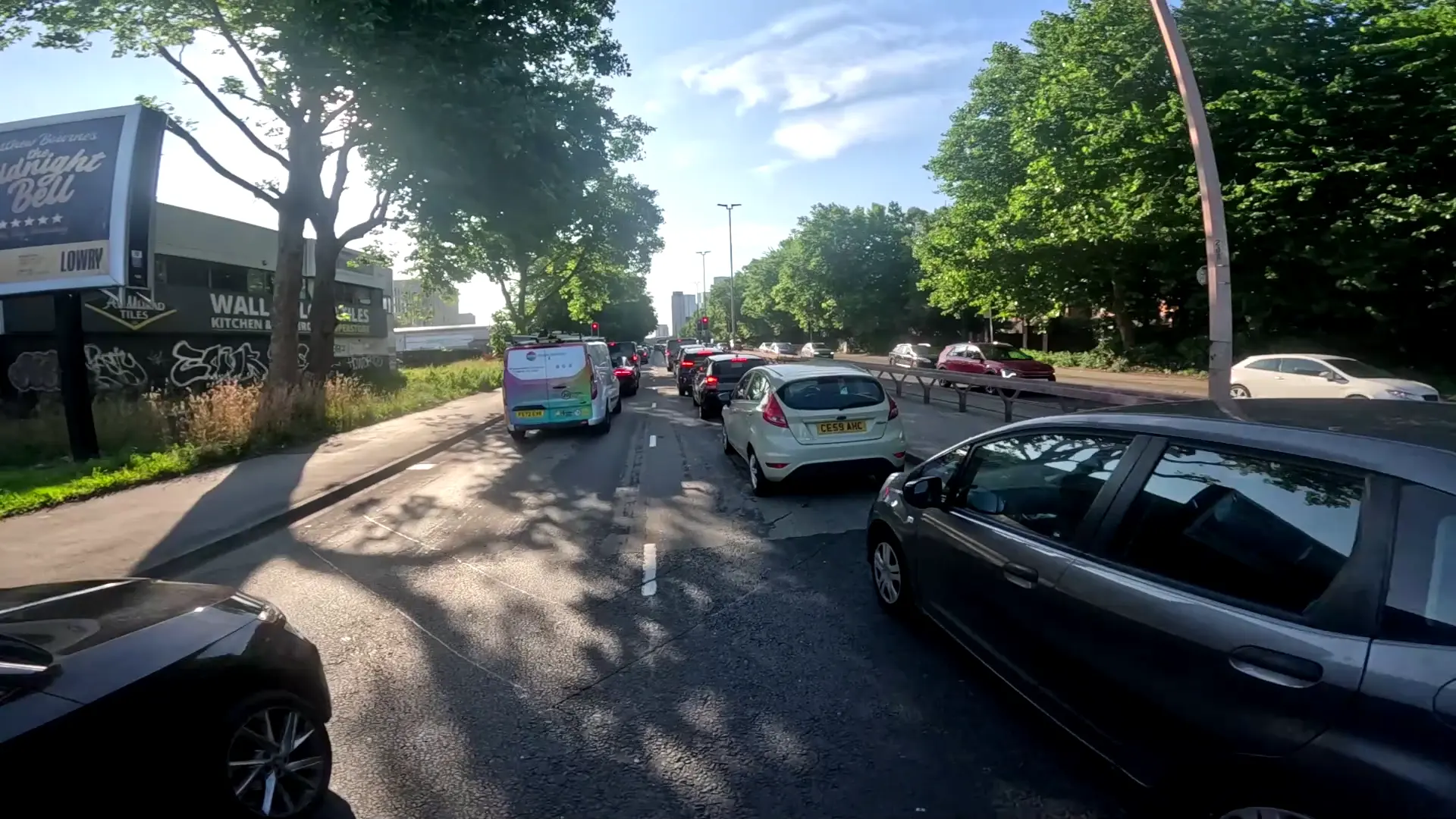
Try to go at the same time of day if you can, because traffic can be very different in the morning compared to the middle of the day. What feels quiet at the weekend might be busy during the week.
When you test the route, pay attention to things like:
Where you feel comfortable
Where the traffic feels busy
Where you have to stop a lot
Where hills slow you down
Where the road feels narrow
This makes it much easier to change the route before it becomes part of your daily routine.
Don’t Be Afraid to Take a Longer Way Round
A lot of beginners think the shortest route must be the best one, but that’s not always true on a bike. Sometimes a slightly longer route can actually feel much easier, especially if it avoids heavy traffic or steep hills.
Cycle commuting is different from driving because the effort matters more than the distance. Saving a couple of minutes isn’t worth it if the ride feels rushed or uncomfortable. If a longer route feels calmer, it’s usually the better choice, especially at the start. Once you get more confident, you can always try different options later.
We touched on this in Slow Cycling: How To Build A Cycle Commute You Love and Can Actually Stick With, where the idea is to make the ride sustainable rather than fast.
Plan Where You Can Ride at a Steady Pace
Another thing that makes a big difference to your first cycle commute route is how often you have to stop. Constant traffic lights, sharp turns, and busy junctions can make a short ride feel much harder than it really is. Visualise the route and how many obstacles are normally visible, or use google maps when thinking how to plan your first cycle commute route.
Routes where you can keep moving, even slowly, usually feel much more relaxed. You don’t need to ride fast to commute successfully, you just need a steady pace that you can repeat every day. This is one reason quieter roads often work better than main roads, even if they take a bit longer.
Expect to Change Your Route After a Few Weeks
Your first route doesn’t have to be perfect. In fact, most people end up changing their commute after a few weeks once they get used to riding.
You might find a quieter road you didn’t notice before.
You might realise a hill isn’t as bad as it looked.
You might decide a longer route actually feels easier.
That’s completely normal, and it’s part of the process. The important thing at the beginning is just finding a route that feels manageable enough to keep riding. Preparation is the key when looking into how to plan your first cycle commute route.
Final Thoughts
We have discussed some of the key things to think about when sitting down and looking at how to plan your first cycle commute route. Planning your first cycle commute route properly makes a huge difference to how the whole experience feels. The best route isn’t always the fastest, it’s the one that feels calm, predictable, and easy to repeat every day.
Start with a distance you know you can handle, use tools designed for cyclists, and don’t be afraid to take a slightly longer way if it makes the ride more comfortable.
Once you find a route that works, commuting by bike becomes much easier to stick with, and what feels complicated at the start soon becomes part of your normal routine.
If this article was helpful, I’ve made an E-Book to help you in your first few weeks of cycle commuting. Just click the link below.
Any questions, get in touch using the contact page.
– Dan