


If you’ve filled up your car recently, you’ve probably felt it. Fuel prices are still sitting at a level where even the daily commute starts to feel like a noticeable expense rather than something you don’t think about. That’s why more people are starting to look for ways to bike to work and save money without completely changing their routine.
On the surface, it sounds simple. Swap a few car journeys for a bike ride and reduce how much you’re spending each week. But when you actually break it down, the impact of choosing to bike to work and save money is much bigger than most people expect.
Table of Contents
Why Fuel Costs Add Up So Quickly
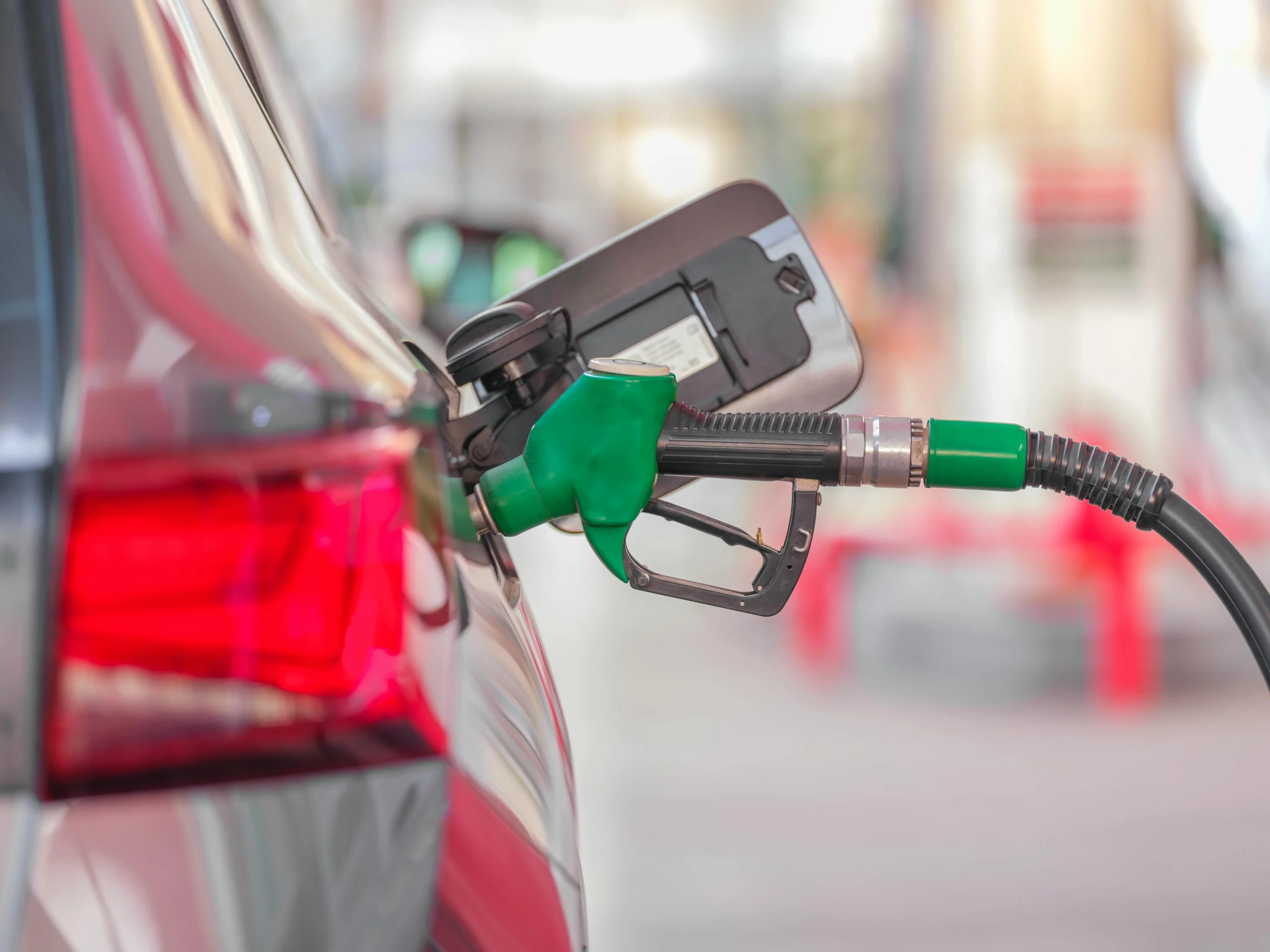
Most people don’t track how much they spend on fuel for commuting. It’s one of those costs that disappears quietly week by week. But with recent events sending the price skyrocketing, it’s likely starting to stand out.
A typical commute might only be 8–10 miles each way. That doesn’t sound like much, but over a full working week and across the year, it adds up quickly. This is exactly where the decision to bike to work and save money starts to make sense and make a difference.
Every mile you don’t drive is money you’re not spending and by extension money you are saving. Money that can be spent on so many other things you enjoy way more than sitting in morning rush hour traffic.
Real UK Fuel Costs (And What You Could Save)
To understand how effective it is to bike to work and save money, it helps to look at real UK numbers. According to typical data referenced by the UK Government, fuel prices in the UK often sit between £1.45 and £1.65 per litre, depending on location and time of year.
In recent years with the geopolitical we have seen increased costs in all aspects of life, but fuel has seen more than its fair share of price rises.
Let’s look at a realistic example.
Example Commute
- 10 miles each way
- 20 miles per day
- 5 days per week
- 48 working weeks per year
Total: 4,800 miles per year
Now convert that into fuel usage:
- Average car: ~45 mpg
- 4,800 miles = ~106 gallons
- 1 gallon = 4.54 litres
Total fuel used: ~480 litres per year
At £1.55 per litre:
💵 Annual fuel cost: ~£740
What Happens When You Bike Instead
Now let’s apply that to a realistic scenario.
If you bike to work and save money just 3 days per week, you’re cutting roughly 60% of your commuting fuel use.
💵 Estimated saving: ~£440 per year
If you fully commit and bike to work and save money 5 days per week:
💵 Estimated saving: ~£700+ per year
And that’s only fuel. Most people stop there, but the real savings go further.
The Hidden Costs of Driving
Fuel is the obvious one, but it’s not the full picture.
The HM Revenue & Customs estimates driving costs at around 45p per mile when you include:
- fuel
- maintenance
- tyres
- wear and tear
Using the same 4,800 mile commute:
💵 True annual cost of driving: ~£2,160
Now compare that to cycling.
When you bike to work and save money, your cost per mile is almost zero once you already have a bike. Even factoring in basic maintenance, the difference is significant. This is why people who start to bike to work and save money often realise the savings are bigger than expected.
It’s important to remember it’s not only money you should consider when driving, there is a cost to your health from neglecting your health that is priceless.
It Doesn’t Have to Be All or Nothing
One of the reasons people don’t start is because they think they have to fully commit and I’m here to tell you that you don’t.
You can bike to work and save money without doing it every day. Even one or two days per week starts to reduce your costs. Three days per week creates noticeable savings. And anything beyond that just increases the benefit. The expression “Look after the pennies and the pounds will look after themselves” is a great way to look at it.
The key is consistency, not perfection.
Traffic vs Simplicity
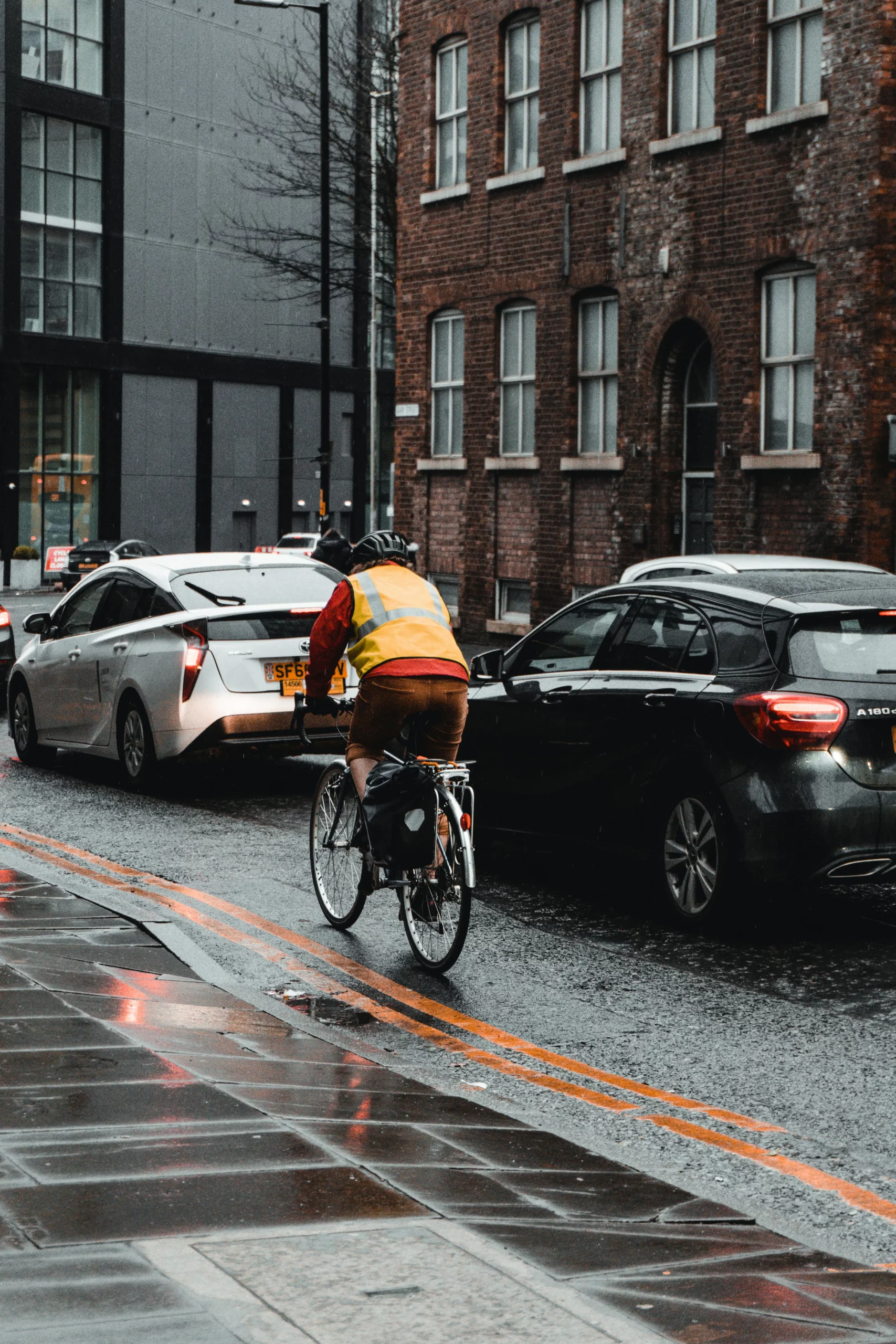
There’s also something else to consider that doesn’t show up in a bank account. Sitting in traffic every morning and evening is unpredictable. Some days are fine, others drag on far longer than expected.
When you bike to work and save money, your commute becomes more consistent. You’re not relying on traffic flow in the same way, and your journey becomes more predictable. You might not always be faster, but you’re rarely delayed. After all, how many cycling traffic jams have you heard of!
You Don’t Need to Be “Fit”
A lot of people assume they need to be in good shape before they can bike to work and save money ,and that’s usually what stops them from even trying.
In reality, commuting by bike is completely different from riding for fitness. You don’t need to ride fast, and you don’t need to push yourself. This is why so many people are able to bike to work, and save money without turning it into a workout. It’s just another way of getting from A to B, once you realise that it can become a really enjoyable part of your working day.
We did a great article you can check out on how to start cycling to work in a sustainable way.
Start Small and Build
If you’re thinking about how to bike to work and save money, the easiest way to start is small. There is no need to ride every day and change your entire routine overnight. The best way is to take small steps and commit to a long term goal of a day or two a week, building up as you get more confident.
We did a guide on how to start cycling to work without burning out.
Weather Isn’t as Big a Barrier as You Think
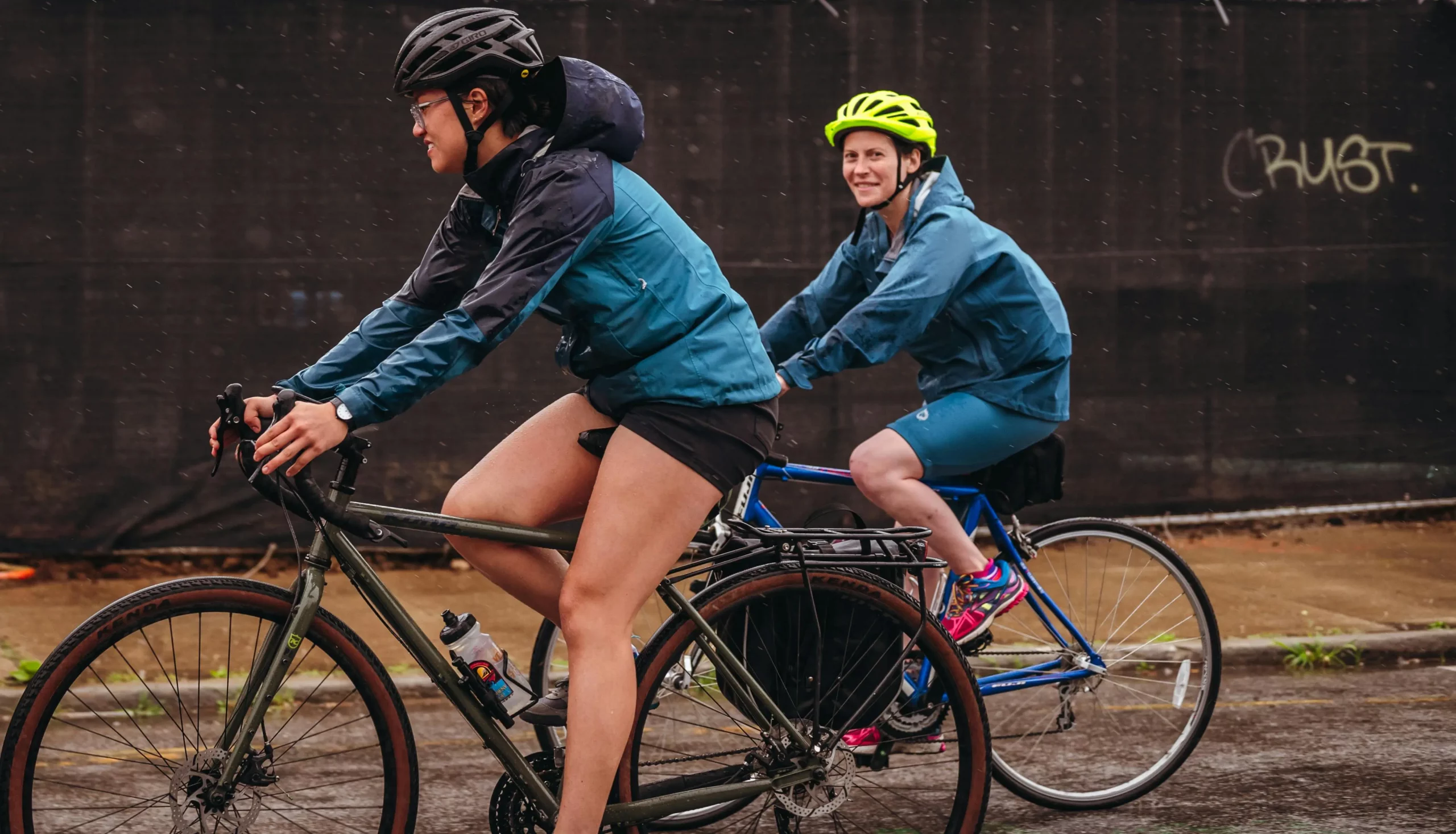
Weather is usually the first excuse. Rain, cold mornings, wind and it all suddenly sounds like a reason not to try. But in reality, most commutes are short enough that weather isn’t as big a factor as it seems. Once you’ve gotten wet a few times you’ll realise that you really don’t mind as long as you are prepared.
You don’t need perfect conditions to bike to work and save money. You just need conditions that are good enough. Over time, it becomes part of the routine rather than something you think about.
Planning Makes It Easier
A big part of being able to bike to work and save money is simply making the ride feel manageable from the start. That usually comes down to planning a route that works for you rather than just picking the fastest option.
Quieter roads, fewer stressful junctions, and a route where you can keep a steady pace all make a noticeable difference. When the ride feels calm and predictable, you’re far more likely to stick with it, especially during the first few weeks. Most people who give up early haven’t picked a bad idea, they’ve just picked a route that makes the whole experience harder or less enjoyable.
Taking a bit of time to get this right removes a lot of that friction and makes the habit much easier to maintain. Check out our article on just this topic.
A Habit That Pays You Back
Most habits cost money in one way or another, whether that’s subscriptions, convenience spending, or just day-to-day expenses that quietly build up over time. Choosing to bike to work and save money works in the opposite direction. Instead of costing you more, it steadily reduces one of your regular expenses every single week.
The more consistent you are, the more noticeable the impact becomes, and it doesn’t take long before the savings start to feel significant. Over the course of a year, it’s not unrealistic to save hundreds of pounds, and in many cases much more when you factor in reduced wear on your car.
What starts as a small change to your routine can quickly turn into something that genuinely pays you back and not just in your wallet.
Final Thoughts
Fuel prices are still high, and commuting is one of the biggest regular costs for most people, and choosing to bike to work and save money isn’t complicated, but it is effective.
You don’t need to overhaul your lifestyle or ride every day. You just need to start with small changes and let the big ones come to you. You’ll save money on fuel from day one and quickly see the benefits in the medium to long term.
And once it becomes part of your routine, it stops feeling like an effort and starts feeling like the obvious choice.
If this article was helpful. I’ve made an E-Book to help you in your first few weeks of cycle commuting. Just click the link below.
Any questions, get in touch using the contact page.
– Dan